
Wuthering Heights: Why Emily Brontë’s Novel Is Everywhere Again
Emily Brontë Wuthering Heights is having a moment again. With a new movie adaptation on the way and growing interest in its soundtrack, many readers are picking up the book for the first time or returning to it with fresh eyes. Despite being published in 1847, Wuthering Heights still feels intense, uncomfortable, and surprisingly modern. That lasting impact is exactly why it is considered a gothic literature classic.
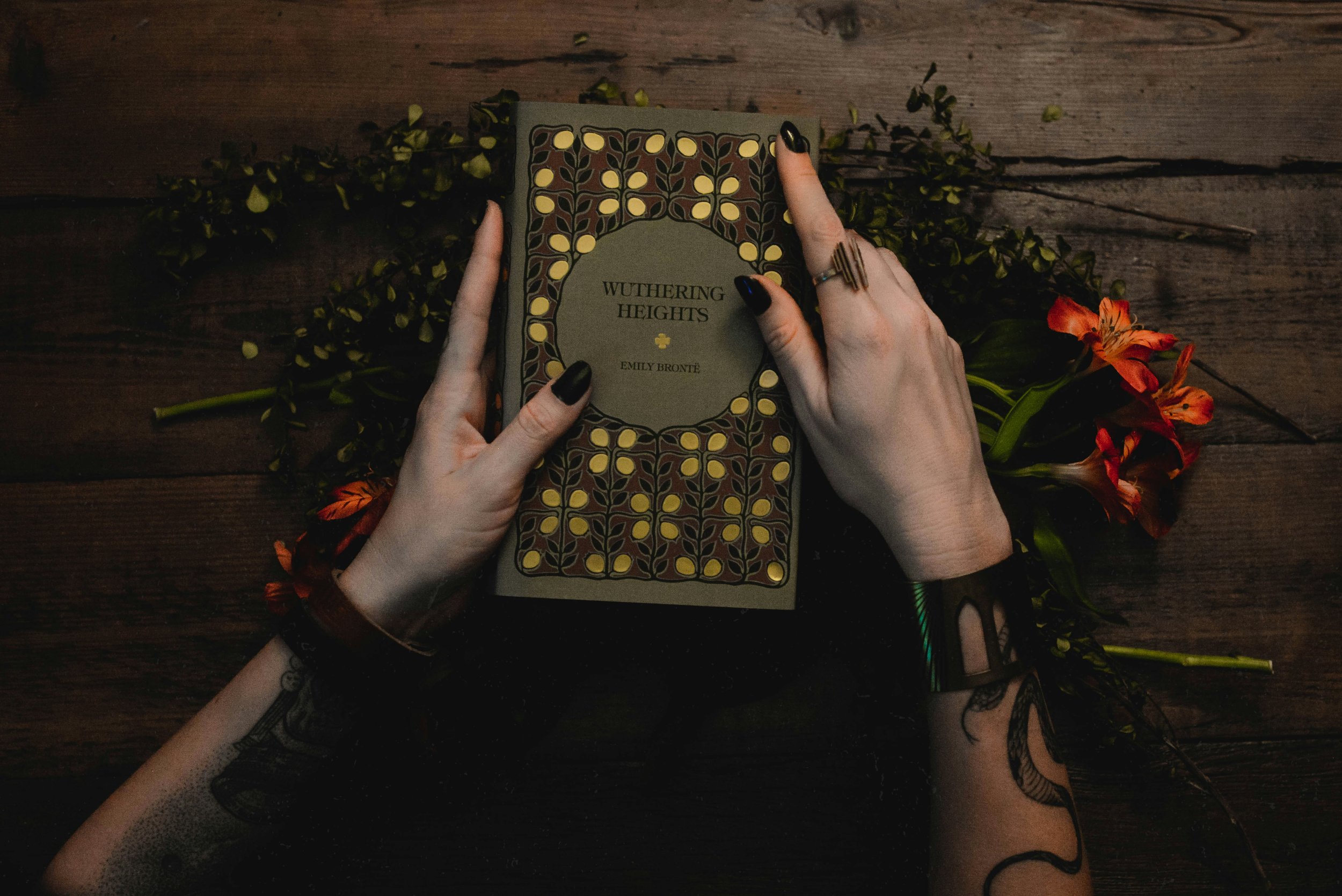
Wuthering Heights is still considered a must-read. (Photo: Loren Cutler on Unsplash)
Wuthering Heights as a Novel: Plot, Meaning, and Why It Still Matters
What Is Wuthering Heights About?
At its core, the Wuthering Heights novel tells the story of Catherine Earnshaw and Heathcliff, two characters bound by an intense connection that shapes nearly every event in the book. The story begins when Lockwood, a visitor who temporarily lives at Wuthering Heights, rents Thrushcross Grange and becomes curious about the strange household he encounters. Much of what follows is narrated by Nelly Dean, a long-time servant at Wuthering Heights, whose perspective shapes how readers understand the Earnshaws and the Lintons.
Heathcliff arrives as an orphan, taken in by the Earnshaw family, and grows up alongside young Cathy, forming a bond that is passionate but deeply unhealthy. As the story unfolds, Catherine chooses to marry Edgar Linton, a decision that fuels Heathcliff’s sense of rejection and torment. This choice sets off a chain of events involving Edgar and Isabella, the next generation of the Earnshaws, and the slow transfer of possession of Wuthering Heights. Over time, Heathcliff becomes the master of Wuthering Heights, gaining control through manipulation, marriage, and inheritance, including when he inherits Wuthering Heights outright.
The novel moves between Wuthering Heights and Thrushcross Grange, using these two houses to reflect the contrast between emotional chaos and social order. The harsh setting of the Yorkshire moors reinforces the raw emotions driving the characters’ decisions. Relationships between families like the Earnshaws and the Lintons repeat patterns of resentment and control, particularly in the lives of Hareton Earnshaw, Cathy and Hareton, and Catherine Linton. Even after death, the story refuses to settle, as shown through moments like Heathcliff’s fixation on the graves of Catherine.
Rather than functioning as a traditional romance novel, Wuthering Heights by Emily Brontë presents love as something that can consume identity and distort morality. First published in 1847 under the pen name Ellis Bell, Emily Brontë’s classic shocked readers of its time. Today, it is widely regarded as a classic of English literature and often described as one of the greatest novels because of its emotional honesty. Any serious Wuthering Heights analysis shows that the book is less about plot twists and more about the long-term consequences of obsession, inheritance, and the selfishness of the characters.
Why Wuthering Heights Is Considered a Classic Gothic Novel
The novel earns its place as a gothic literature classic through its setting, tone, and emotional intensity. The isolated moors, the focus on inner turmoil, and the presence of ghosts and unresolved grief all play into classic Gothic elements. What sets it apart is how raw and unapologetic it is. Emily Brontë does not soften the story to make it more likeable.
Emily Brontë and the Brontë Sisters in Literary Context
-
Among the Brontë sisters novels, Wuthering Heights stands out as the darkest and most uncompromising. While Charlotte Brontë’s work often focuses on moral growth, Emily Brontë was less interested in lessons and more interested in emotional truth. She published only one novel, but it was enough to secure her place in literary history. The book feels less polished and more instinctive than many Victorian novels.
-
Class plays a major role in how the characters behave and how conflicts develop. Heathcliff’s position as an outsider shapes nearly every choice he makes. Instead of showing social mobility as positive, the novel presents it as something that deepens resentment. This makes Wuthering Heights feel harsh, but also honest.
Heathcliff and Catherine: Character Analysis Without Romanticizing
Heathcliff Character Analysis
A close Heathcliff character analysis shows someone driven by unresolved trauma rather than simple villainy. He is cruel, manipulative, and emotionally closed off, but the novel also shows how those traits developed. Heathcliff’s obsession with Catherine turns into a need for control and revenge. The book never asks readers to excuse him, only to understand him.
Catherine Earnshaw Character Explained
The Catherine Earnshaw character is equally complicated. She wants emotional freedom but also craves social security and status. Her inability to choose between those desires creates much of the story’s conflict. Catherine’s decisions are not framed as moral failures, but as consequences of the limited options available to her.
Obsession in Gothic Novels
Few books show obsession in gothic novels as clearly as Wuthering Heights. The relationship at its center is not meant to be admired or copied. Instead, it shows how love can become consuming and damaging when identity disappears inside it. This approach is one reason the novel still sparks debate.
Themes That Make Wuthering Heights Feel Unsettling
Nature vs Civilization
The contrast between the wild moors and more orderly living spaces reflects the characters’ inner conflicts. Nature represents freedom and instinct, while civilization stands for control and repression. Neither is shown as purely good or bad. This balance keeps the novel grounded rather than symbolic for symbolism’s sake.
Unreliable Narrators in Literature
Wuthering Heights is often discussed as an example of unreliable narrators in literature. The story comes through characters who misunderstand, judge, or omit key details. This forces readers to stay alert and draw their own conclusions. It also makes the novel feel more realistic and less moralizing.
Wuthering Heights Book vs Movie: What Changes on Screen
Why the Novel Is Hard to Adapt
The emotional extremes that work on the page are difficult to translate to film. Movies often simplify motivations or soften character traits. This makes the story more watchable, but less challenging. As a result, adaptations tend to feel more romantic than the book actually is.
How Accurate Is the Wuthering Heights Movie?
Many readers ask how accurate is the Wuthering Heights movie compared to the novel. Most adaptations follow the basic plot but change tone and emphasis. The psychological complexity is usually reduced. That makes the book the more complete experience.
The New Film, the Soundtrack, and Modern Pop Culture
-
If you’re wondering should you read Wuthering Heights before the movie, the answer is yes. The novel provides context that helps make sense of the characters’ extreme behavior. Reading it first also makes it easier to spot what the film chooses to leave out. The story lands differently when you know its full weight.
-
The announcement of a Charlie XCX soundtrack and Charlie XCX film score has brought the novel into a new cultural space. This is part of a larger trend where modern music meets classic literature. Instead of modernizing the story too much, the soundtrack leans into its emotional intensity. It shows how older texts can still inspire contemporary art.
-
More artists are turning to books for inspiration, and Wuthering Heights fits naturally into that trend. Pop music inspired by literature works best when the emotional core remains intact. In this case, the connection feels earned rather than forced. It adds another layer to the novel’s ongoing relevance.
Is Wuthering Heights a Romance or Tragedy?
People still ask whether Wuthering Heights is a romance or a tragedy, and the confusion is understandable. On the surface, the story of Catherine and Heathcliff uses the language of deep attachment and emotional devotion, which often leads readers to expect a romance novel. Yet nearly every major relationship in the book ends in loss, resentment, or emotional damage. Catherine’s decision to marry Linton, rather than follow her bond with Heathcliff, sets the tone for a story where love repeatedly leads to separation instead of fulfillment.
From a tragic perspective, the novel shows how pride, class pressure, and emotional immaturity destroy any chance of happiness, particularly through figures like Hindley and Isabella Linton, whose lives are marked by cruelty and regret. Even the estate of Wuthering Heights becomes a symbol of emotional ruin rather than stability, passed down through conflict and control. When read as Wuthering Heights by Emily Bronte, the novel feels less like a celebration of love and more like a warning about obsession and emotional blindness.
This ambiguity reflects the background of Emily Brontë herself, a deeply private novelist raised in Haworth, where the Brontë sisters grew up in the isolated parsonage under the guidance of Patrick Brontë. Unlike her sister Charlotte Brontë, Emily showed little interest in moral resolution or romantic reward. Her brother Branwell Brontë and the wider experiences of the Brontë children likely influenced the novel’s bleak emotional outlook.
Ultimately, whether a reader sees romance or tragedy may depend on the edition of Wuthering Heights they encounter and how they approach the story. What remains consistent across every edition is that love never redeems the characters. Instead, it exposes their flaws and deepens their suffering. That unresolved tension is exactly what makes the novel so difficult to categorize and so hard to forget.
Books Like Wuthering Heights: Dark Romance Classics
Wuthering Heights by Emily Brontë remains one of those rare novels that people don’t just read, but argue about. Its characters are difficult, its emotions extreme, and its view of love deeply uncomfortable. That discomfort is exactly what keeps the book relevant, especially as new adaptations bring it back into public conversation. Whether readers approach it for a Wuthering Heights analysis, a comparison with the new movie, or curiosity sparked by the soundtrack, the novel consistently resists simple interpretations. It doesn’t offer comfort, but it does offer insight into obsession, power, and emotional consequence. That honesty is why Wuthering Heights continues to feel alive rather than historical.
Readers looking for classic novels with dark romance often come back to Wuthering Heights as a reference point. Few books explore emotional obsession with the same level of honesty. While many later Gothic novels echo its themes, Emily Brontë’s work remains unusually direct. That’s why it still feels different, even now.
Frequently Asked Questions About Wuthering Heights
-
People often ask why is Wuthering Heights considered a classic, especially since it can feel harsh compared to other novels from the same time. One reason is that it refuses to tell a comforting story or offer clear moral lessons. Instead, it focuses on emotional extremes, long-term consequences, and deeply flawed characters. For a novel published during the Victorian era literature period, this approach was unusual and controversial. The book also introduced narrative techniques and character types that later became common in Gothic and psychological fiction. Its influence on later novels is a big reason it still matters today.
-
A common question is what makes Wuthering Heights a gothic novel, beyond its dark mood. The answer lies in its setting, themes, and emotional tone rather than just supernatural elements. The isolated moors, the sense of confinement, and the constant emotional tension all reflect Gothic traditions. The novel also explores obsession, revenge, and psychological instability in a way that feels intense and unsettling. Ghosts and hauntings are present, but they serve emotional purposes rather than horror for its own sake. These elements firmly place the book within the Gothic tradition.
-
Readers frequently wonder why Heathcliff is an antihero instead of a straightforward villain. Heathcliff commits cruel and damaging acts, but the novel also shows how his behavior develops over time. His experiences of abandonment, exclusion, and humiliation shape his worldview. That background doesn’t excuse his actions, but it explains them. Unlike a traditional hero, Heathcliff never seeks redemption or personal growth. His complexity is what makes him memorable, even when he is deeply unlikeable.
-
Many readers interpret the novel through the lens of toxic love in literature, and that reading is hard to ignore. The relationship between Heathcliff and Catherine is intense, but it is also controlling and destructive. Love in Wuthering Heights does not lead to healing or understanding. Instead, it often leads to resentment, obsession, and harm. The novel challenges the idea that passionate love is automatically meaningful or healthy. That critical approach is one reason the book still sparks debate.
-
The theme of nature vs civilization in Wuthering Heights runs throughout the novel. The moors represent emotional freedom, instinct, and raw feeling, while houses and social structures represent order and restraint. Characters suffer when they suppress their nature, but they also suffer when they act without limits. This tension helps explain the emotional volatility of the story. Nature is not idealized, and civilization is not portrayed as safe or stable. The novel shows how imbalance in either direction causes harm.
-
Discussions about Wuthering Heights adaptation differences usually focus on tone and character portrayal. Film versions often soften the story to make it more romantic or visually appealing. Internal motivations and long-term consequences are frequently reduced or removed. This changes how characters like Heathcliff and Catherine are perceived. As a result, many adaptations feel less disturbing than the novel. These changes explain why readers often prefer the book over the film versions.
-
When comparing Wuthering Heights movie vs book, the biggest difference is emotional depth. The novel spends much more time exploring psychological damage and generational trauma. Films tend to simplify timelines and relationships to fit runtime constraints. This often shifts the focus toward romance rather than obsession. While movies can capture atmosphere well, they struggle with the novel’s complexity. For many readers, the book remains the more complete experience.
-
Wuthering Heights is often grouped with gothic romance books, but it doesn’t behave like most romances. The story includes intense emotional bonds, but it avoids happy endings or emotional resolution. Romance in the novel is intertwined with control, grief, and revenge. This makes it darker than many later Gothic romances. Still, it helped shape the genre by showing how love could be portrayed without idealization. Its influence is visible in many modern dark romance stories.
-
A solid Wuthering Heights analysis usually starts with character relationships rather than plot details. The story is less about what happens and more about how people respond to loss, rejection, and desire. Looking at patterns of behavior across generations helps clarify the novel’s structure. It’s also useful to pay attention to who is telling the story and what they might misunderstand. This approach makes the novel feel more coherent and less chaotic. Analysis works best when the book is treated as psychological rather than romantic.
-
The Wuthering Heights meaning is often misunderstood as a tragic love story, but it goes deeper than romance. At its core, the novel explores how unresolved emotional wounds shape identity and behavior over time. Love is portrayed as something powerful but dangerous when it turns into possession. The story also examines how social rejection can harden people rather than humble them. Meaning in Wuthering Heights comes from consequences, not lessons. The novel never tells readers what to think, only what happens.
-
The most important Wuthering Heights themes include obsession, control, revenge, and emotional inheritance. The novel also explores class, belonging, and isolation in a very direct way. Another key theme is how the past refuses to stay buried, especially when trauma goes unresolved. Love in the novel is intense but rarely nurturing. These themes overlap rather than stand alone. Together, they create a story that feels emotionally dense and difficult to forget.
-
Wuthering Heights symbolism is woven into the setting rather than delivered through obvious metaphors. The moors reflect emotional freedom but also danger and instability. Windows and doors often symbolize separation and longing. Ghosts represent unresolved attachment rather than fear. Even weather plays a role in reinforcing emotional states. The symbolism is effective because it supports the story instead of interrupting it.
-
The Wuthering Heights novel does not follow modern romantic storytelling rules. There is no emotional healing arc and no stable resolution. Love does not lead to personal growth, but often to fixation and harm. Characters don’t communicate openly or mature over time. This makes the novel frustrating for some readers. It also makes it feel brutally honest compared to more idealized romance narratives.
-
A Wuthering Heights film adaptation usually focuses on atmosphere and emotional intensity. Visual storytelling highlights the setting and dramatic moments, but often simplifies character motivation. Internal conflict is harder to show on screen, so some psychological depth is lost. Films also tend to romanticize relationships that are deliberately uncomfortable in the book. This doesn’t make adaptations bad, just different. The novel remains the more complete version of the story.
-
The Wuthering Heights new movie has attracted attention because of its cast and modern presentation. New adaptations often aim to make the story accessible to first-time audiences. This can mean clearer pacing and more emotional emphasis. However, these choices can soften the novel’s harshest edges. Whether that works depends on what viewers expect. The book itself remains unchanged and far less forgiving.
-
When people compare Wuthering Heights movie vs book, the book almost always feels darker. The novel spends more time on emotional consequences and generational damage. Movies often condense timelines and relationships to keep the story moving. This makes the narrative easier to follow but less unsettling. Readers tend to find the book more challenging and more rewarding. The comparison highlights the limits of adaptation.
-
Search interest around Wuthering Heights Margot Robbie and Wuthering Heights Jacob Elordi reflects how casting can revive interest in classic literature. Well-known actors bring new audiences who might not otherwise read the book. This often leads to renewed discussion around the novel’s themes and characters. Some readers approach the book expecting romance and are surprised by its darkness. That contrast fuels conversation. The actors act as an entry point, not a replacement for the text.
-
Interest in the Wuthering Heights OST and Wuthering Heights soundtrack shows how literature connects with modern culture. Music can capture emotional intensity in ways that feel immediate and accessible. In this case, the soundtrack leans into the story’s volatility rather than softening it. That approach aligns well with the novel’s tone. It also introduces the story to audiences through sound rather than text. This crossover keeps the novel culturally visible.