
Thinking About Joining a Pilates Club? What You Need to Know
Thinking about joining a Pilates club often raises practical questions about cost, commitment, and long-term benefits. Pilates clubs and Pilates studios have grown in popularity as people look for low-impact yet effective fitness routines that support strength, flexibility, and posture. Unlike traditional gyms, Pilates spaces focus on guided movement and controlled exercises rather than free training. Before committing to a Pilates club membership, it helps to understand how studios operate, what classes look like, and how pricing models differ.
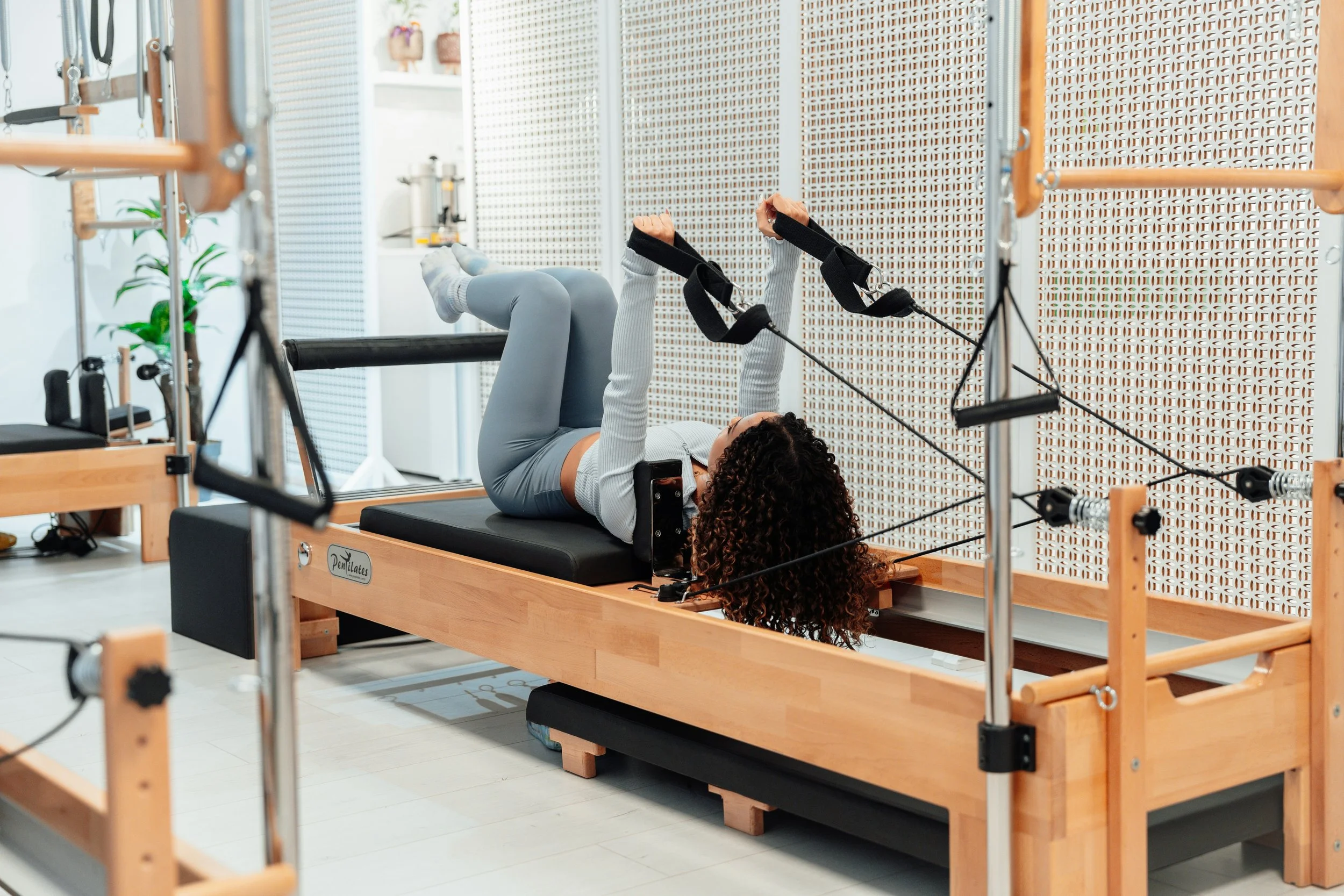
What you need to consider before joining a Pilates Club. (Photo: Ahmet Kurt on Unsplash)
What Is a Pilates Club?
A Pilates club is a fitness facility dedicated primarily to Pilates-based training rather than general workouts. Most Pilates clubs offer a structured class schedule centered around mat Pilates and reformer Pilates, often using specialized Pilates equipment such as the reformer. Compared to large gyms, Pilates clubs emphasize smaller class sizes and instructor-led sessions. This structure appeals to people who prefer guided workouts and consistent progression rather than self-directed training.
Pilates Studio vs Pilates Club
The distinction between a Pilates studio vs Pilates club often comes down to scale and membership structure. A Pilates studio may feel more boutique and personalized, while a Pilates club usually offers a broader class schedule and standardized Pilates club membership options. Both environments typically focus on quality instruction, but clubs often operate more like fitness memberships. Searching for a Pilates studio near me can help identify whether a smaller studio or a larger club better fits personal preferences.
Why People Choose to Join a Pilates Club
People choose to join a Pilates club for its balanced approach to fitness and long-term sustainability. Pilates focuses on controlled movement, which supports joint health and reduces strain on the body. Many members appreciate that Pilates workouts can be adapted to different fitness levels without losing effectiveness. Over time, consistency in a Pilates club environment can lead to noticeable improvements in strength, flexibility, and posture.
Pilates for Posture and Core Strength
Pilates for posture is one of the most frequently cited benefits of joining a Pilates club. Exercises target deep core muscles that support spinal alignment and overall body awareness. Strengthening these muscles can help counteract the effects of prolonged sitting and poor posture habits. For many people, posture improvements become noticeable after several weeks of consistent practice.
What to Expect at a Pilates Class
Knowing what to expect at a Pilates class can make joining a Pilates club feel more approachable. Classes typically follow a structured format led by a certified instructor who demonstrates movements and provides cues. Sessions focus on controlled, precise exercises rather than fast-paced repetition. This makes Pilates suitable for both beginners and experienced participants.
Mat Pilates vs Reformer Pilates
Mat Pilates relies on body weight and floor-based movements, while reformer Pilates uses Pilates equipment such as the reformer to add resistance and support. The Pilates equipment reformer allows for a wider range of exercises and adjustable intensity levels. Many Pilates clubs offer both options so members can vary their workouts. Choosing between mat and reformer Pilates often depends on personal goals and experience.
Pilates for Beginners: Is It the Right Choice?
Pilates for beginners is widely available, and most clubs offer introductory classes designed to teach foundational movements. Pilates emphasizes alignment and controlled breathing, which makes it accessible to people new to structured exercise. Beginners benefit from learning proper technique early, reducing the risk of injury. Over time, Pilates builds confidence and body awareness rather than relying on intensity alone.
How Often Should You Do Pilates?
How often you should do Pilates depends on individual goals and recovery needs. Many instructors recommend two to four sessions per week for consistent progress. Attending regularly helps reinforce technique and improve strength gradually. Pilates club membership models often support this frequency through flexible scheduling.
Pilates Memberships and Costs Explained
Understanding pricing is essential before committing, as many people ask how much does Pilates cost. Costs vary depending on location, class type, and whether reformer equipment is included. Pilates studio membership and Pilates club membership pricing often reflect access to instructors, equipment, and class frequency. While Pilates can be more expensive than standard gym memberships, many people value the guided instruction and specialized focus.
-
Pilates studio membership often includes smaller classes and a more personalized atmosphere, while Pilates club membership may offer more scheduling flexibility. Studios may focus on a niche clientele, whereas clubs tend to accommodate higher volumes of members. Comparing Pilates studio vs Pilates club options helps clarify which environment aligns better with lifestyle and budget. Reviewing trial classes can also help assess value before committing.
-
Choosing the right Pilates club involves more than finding the closest location. Instructor qualifications, class variety, and equipment quality all influence the experience. Many people start by searching for a Pilates studio near me to assess convenience. However, long-term satisfaction often depends on atmosphere, teaching style, and membership flexibility.
-
Qualified instructors play a key role in safe and effective Pilates training. Clubs that invest in well-maintained Pilates equipment, including reformers, tend to offer more diverse and adaptable classes. Asking about certifications and teaching experience can provide insight into quality. This becomes especially important for beginners or those with specific physical concerns.
Pilates vs Other Workouts
Comparing Pilates to other fitness options helps clarify expectations. Pilates vs gym workouts often appeal to people who want low-impact training with professional guidance. Unlike self-directed gym sessions, Pilates classes emphasize technique and progression. Pilates also differs from yoga in its focus on core stability and controlled movement.
Pilates as a Long-Term Fitness Routine
Pilates supports long-term health by promoting balanced strength and mobility. Many people adopt a Pilates lifestyle because it feels sustainable rather than exhausting. Pilates for posture, flexibility, and stress management contributes to overall wellbeing. This long-term approach is one reason Pilates club memberships remain popular.
Frequently Asked Questions About Joining a Pilates Club
-
How much does Pilates cost depends on several factors, including location, class format, and membership type. Pilates membership cost is usually higher at a Pilates studio or Pilates gym that offers reformer Pilates, as reformer equipment requires maintenance and smaller class sizes. An unlimited Pilates membership often costs more upfront but can be more economical for those attending multiple classes per week. Group classes tend to be more affordable than private sessions, especially when booked as part of a package. Comparing different studios and reviewing what is included such as equipment, class variety, and instructor experience helps determine whether the cost aligns with your fitness goals.
-
For many people, a Pilates club is worth it because it supports long-term health rather than short-term fitness trends. Pilates workout benefits include improved strength and flexibility, better posture, and a stronger Pilates mind body connection. Unlike a traditional Pilates gym, club settings often provide structure, consistency, and progression that help members stay committed. Pilates for stress relief is another factor that makes club membership appealing, as controlled movement and breathing can reduce tension over time. For those seeking sustainable fitness, Pilates for long-term health often feels more achievable than high-impact workout routines.
-
Pilates vs yoga is a common comparison, but the two practices serve different purposes. Pilates focuses more on building strength, especially core strength, through controlled and repetitive movements. Yoga typically emphasizes flexibility, stretching, and breath-based flow, while Pilates workouts prioritize stability and alignment. Many people choose Pilates for strength and flexibility because it combines resistance and control in a structured way. Deciding between Pilates and yoga often comes down to whether the primary goal is muscular support and balance or relaxation and flexibility.
-
Reformer Pilates vs mat Pilates depends largely on personal preference and fitness level. Mat Pilates uses body weight and floor exercises, making it accessible and equipment-free. Reformer Pilates incorporates specialized reformer equipment that adds resistance, support, and variety to workouts. Many Pilates studios offer both options so members can switch between formats. Reformer Pilates often feels more challenging, while mat Pilates helps develop foundational strength and balance.
-
Private Pilates vs group classes comes down to budget, goals, and learning style. Private sessions offer personalized instruction and are ideal for beginners or those recovering from injury. Group classes are more affordable and provide a motivating social environment. Many Pilates club memberships include group classes while offering private sessions as add-ons. Both formats can effectively build strength and balance when practiced consistently.
-
An unlimited Pilates membership can be a smart choice for people who attend classes frequently. If you plan to take three or more Pilates workouts per week, unlimited access often reduces the cost per class. This option works especially well for those who enjoy variety, including reformer Pilates, mat classes, and strength-focused sessions. It also removes the pressure of booking individual classes based on price. For consistent attendees, unlimited memberships support routine and long-term fitness habits.
-
What should I wear to Pilates is a common concern for beginners. Fitted, comfortable clothing works best, as instructors need to see alignment and movement. Stretchy fabrics support low-impact workouts without restricting motion. Grip socks are often required in reformer Pilates classes for safety and hygiene. Wearing appropriate attire helps you move confidently and focus on building strength and balance during class.