
Berlin Fashion Week 2026 (AW26/FW26) Recap: Trends, Designers, Highlights, Schedule & Side Events
Berlin Fashion Week 2026 officially came to an end yesterday, closing a week that once again confirmed why Berlin remains one of the most experimental and discussion-driven fashion capitals in international fashion. From sharp runway statements to conceptual presentations and high-impact side events, Berlin Fashion Week AW26 set a clear tone for the Fall/Winter 2026 season: expressive, confrontational, and unapologetically diverse.
While other fashion weeks leaned toward polish and restraint, the Berlin fashion scene leaned into contrast. Across official shows, presentations, and side event formats, designers used Berlin Fashion Week 2026 as a platform to explore identity, power, sustainability, and the idea that “more” could once again be meaningful, without falling into predictable clichés.
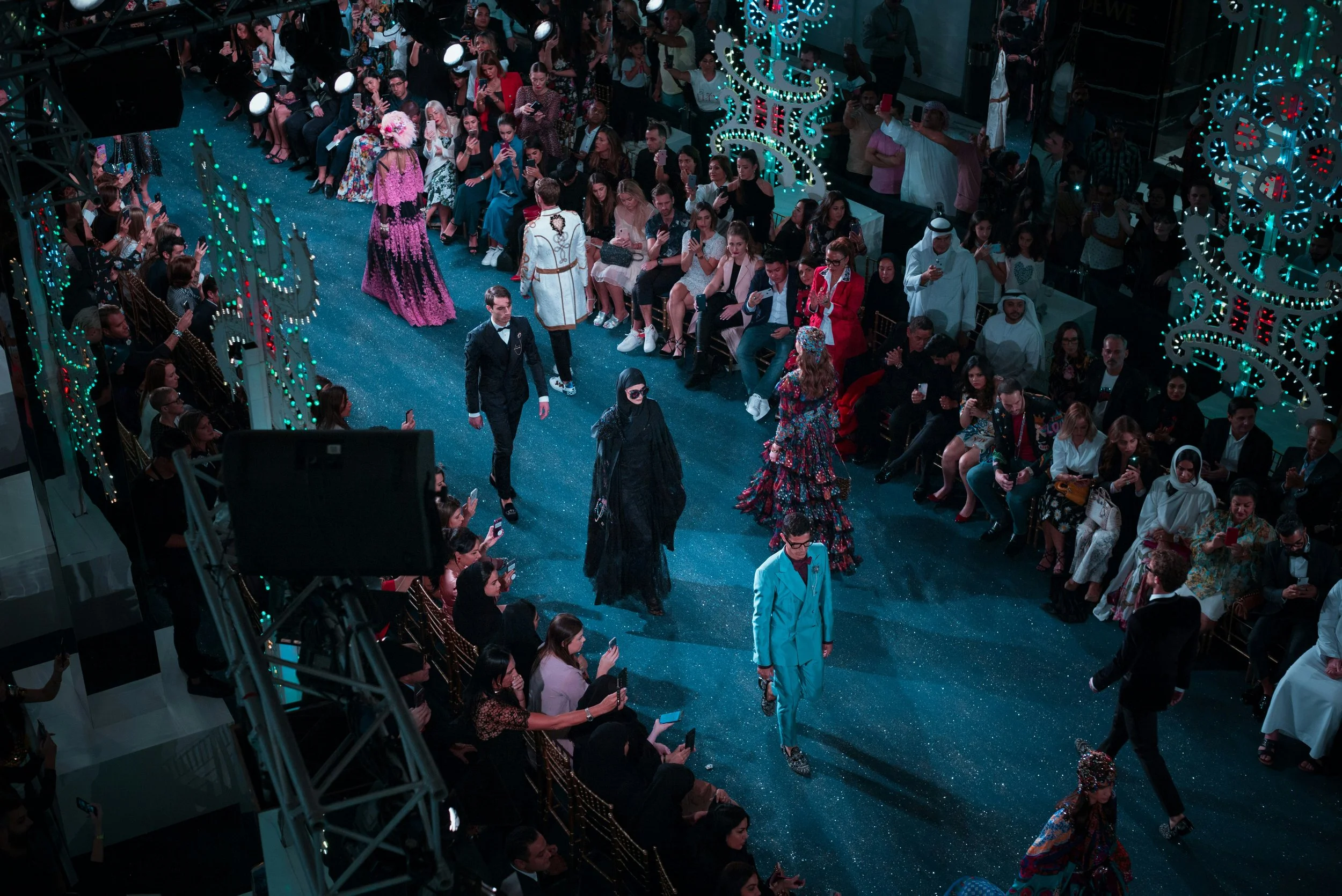
Berlin Fashion Week AW 26. Photo by Michael Lee on Unsplash
Berlin Fashion Week 2026 Schedule Recap: How the Official Program Unfolded
The Berlin Fashion Week 2026 schedule followed its now familiar rhythm: tightly packed runway days paired with presentations, installations, and industry-focused side events spread across the city. Instead of concentrating energy in a single venue, Berlin Fashion Week once again allowed the city itself to act as a stage.
Official runway shows alternated with presentation formats that favored proximity and conversation over spectacle. This structure gave international guests, buyers, and press a layered experience of the Berlin fashion scene, one that extended well beyond the catwalk.
Berlin Fashion Week AW26 Trends: Statement Dressing Returns to Berlin
One of the most visible Berlin Fashion Week trends in 2026 was the return of statement pieces. After seasons dominated by quiet luxury and visual understatement, AW26 collections embraced stronger silhouettes, deliberate volume, and emotionally charged styling.
However, this shift did not follow the expected Berlin codes of excessive black, heavy leather, or overt fetish references. Instead, designers reworked familiar garments into new forms, controlled, precise, and often unexpectedly refined.
Military Jackets, Slouch Boots and Capes Defined Berlin Fashion Week 2026
Three statement pieces appeared repeatedly across the Berlin Fashion Week FW26 runways and presentations.
The military jacket emerged as a symbol of controlled strength. At Unvain, the classic uniform silhouette was deconstructed and softened, appearing in crisp white rather than traditional khaki. Extended sleeves, sharp shoulders, and subtle detailing transformed the garment from functional reference into a modern fashion statement.
Footwear followed a similar logic. Slouch boots dominated several shows, most notably at Kasia Kucharska. The boots introduced softness and movement through deliberately collapsed shafts, referencing early-2000s styling without slipping into nostalgia. Leather, latex, plush materials, and striped cuff details allowed the same form to read as playful, sculptural, or confrontational depending on styling.
Capes completed the trio of defining trends. At Sia Arnika, cape-like extensions added drama without sacrificing wearability. Some designs were layered casually over structured jackets, while others merged seamlessly into dresses and jumpsuits. Movement became part of the design language, reinforcing the idea that strength could appear fluid rather than rigid.
Berlin Fashion Week 2026 Designers: Key Names and Collections
-
GmbH once again anchored Berlin Fashion Week 2026 with its unmistakable blend of techno-inspired streetwear and political awareness. The label’s AW26 collection balanced sharp tailoring with subcultural references, using casting and styling to underline its ongoing dialogue around identity and representation. GmbH’s presence reaffirmed its role as one of the defining voices of the Berlin fashion scene.
-
William Fan continued to refine his signature aesthetic at Berlin Fashion Week FW26. His collection layered Asian cultural references with European tailoring, resulting in silhouettes that felt aristocratic yet approachable. Capes, padded outerwear, faux fur, and intricate collar constructions gave the looks depth, while maintaining the wearability that has made Fan a pillar of Berlin Fashion Week.
-
Rather than a classic runway, Richert Beil opted for a conceptual presentation format during Berlin Fashion Week 2026. Gender-neutral garments, sustainable materials, and restrained color palettes were paired with a performative setting that blurred the line between fashion and installation. The approach reinforced Berlin’s reputation for treating format as part of the design itself.
-
Lou de Bètoly returned to Berlin Fashion Week with a FW26 collection presented at Rathaus Schöneberg, one of the most striking Berlin Fashion Week locations this season. Her interpretation of the naked dress drew from vintage lingerie, lace, corsetry, and reconstructed underwear fabrics. Rather than relying on shock value, the collection focused on craftsmanship, handwork, and reassembly, positioning the naked dress as a timeless form continuously open to reinvention.
A collaboration with Hunkemöller supported this narrative, emphasizing structure and material knowledge rather than branding.
-
Namilia delivered one of the most attended shows of Berlin Fashion Week 2026, transforming the runway into a club-like spectacle at Potsdamer Platz. Their AW26 collection merged early-2000s celebrity culture with contemporary commentary, using slogans, exaggerated silhouettes, and upcycled Ed Hardy pieces. Beneath the visual excess lay a critique of fame, gender expectations, and the cycle of visibility, a theme that resonated strongly with Berlin’s younger fashionweek audience.
-
SF1OG approached Berlin Fashion Week FW26 with a quieter, more intimate tone. Distressed cashmere, antique linens, leather, and velvet created garments that appeared worn, personal, and emotionally charged. Inspired by paparazzi imagery from the 2000s, the collection explored fragility rather than glamour, continuing the label’s collaboration with Converse to ground the looks in everyday wearability.
-
Haderlump’s AW26 show paid tribute to Marlene Dietrich, blending theatrical staging with precise tailoring. Wide-leg trousers, lace details, leather accents, and wool fabrics created a dialogue between historic elegance and contemporary edge. The runway, staged as a performance at Wintergarten Varieté, emphasized how narrative and sound design could elevate clothing into storytelling.
-
Kilian Kerner delivered one of the most dramatic runway moments of Berlin Fashion Week 2026 at the Uber Eats Music Hall. His collection unfolded like a film, beginning in darkness before revealing glittering contrasts, exposed skin, and flowing silhouettes. References ranged from classic literature to street culture, reinforcing Kerner’s talent for emotional, theatrical fashion that remains deeply wearable.
-
Marcel Ostertag’s AW26 collection focused on sustainability through consistency rather than trend-chasing. Using primarily deadstock materials sourced in Italy, Ostertag presented garments inspired by winter landscapes and coastal light. Soft blue gradients, tailored coats, and handcrafted details underscored his belief in longevity over fast fashion.
-
Esther Perbandt opted for a presentation rather than a runway show, unveiling her collection in a quiet installation setting. Entirely black looks crafted from cool wool, silk, and transparent layers explored the tension between structure and softness. The absence of music and the presence of curated art reinforced her signature minimalist authority.
Berlin Contemporary and Emerging Designers at Berlin Fashion Week 2026
The Berlin Contemporary program once again highlighted emerging designers shaping the future of the Berlin fashion scene. Labels such as BALLETSHOFER, Clara Colette Miramon, LUEDER, MARKE, Kitschy Couture, Dagger, COLRS, and Andrej Gronau used Berlin Fashion Week as a launchpad for international visibility.
Clara Colette Miramon’s runway debut stood out in particular. Her “Nesting” collection combined handcrafted techniques, reclaimed materials, and surreal silhouettes in a dream-like ballroom setting, demonstrating Berlin’s openness to emotional and artistic risk.
Berlin Fashion Week 2026 Side Events: Industry, Innovation and Exchange
Side events played a crucial role in shaping Berlin Fashion Week 2026 beyond the runway.
The Berlin Contemporary Showroom at Hotel Château Royal allowed buyers, press, and industry guests to engage directly with collections. Neo.Fashion’s Best Graduates Show highlighted emerging talent, awarding projects focused on design, craftsmanship, sustainability, and innovation.
Meanwhile, the METAMORPHOSIS, dialogues about change series addressed the future of international fashion. Panels on circularity, AI, resale, and digital product passports framed sustainability as infrastructure rather than marketing, reinforcing Berlin Fashion Week’s role as a thought leader within the fashionweek ecosystem.
Berlin Fashion Week 2026 Street Style and Final Highlights
Outside the official program, Berlin Fashion Week street style reflected the same balance seen on the runway: restrained bases paired with one disruptive element. Capes, slouch boots, reconstructed outerwear, and layered tailoring appeared repeatedly, proving how quickly Berlin Fashion Week trends translated into real-world dressing.
Berlin Fashion Week 2026 Recap: What AW26 Signaled for International Fashion
As fashion week Berlin FW26 concluded, one message emerged with unusual clarity. The Berlin fashion scene once again positioned itself as a space where creative freedom, experimentation, and cultural relevance mattered more than polished conformity or commercial gloss. Across runway shows, presentations, and side events, Berlin Fashion Week 2026 reinforced its role as a testing ground for ideas that often sit outside the mainstream of international fashion.
The fashion trends Berlin 2026 revealed were not driven by novelty for its own sake. Instead, designers returned to strong silhouettes and expressive garments with intention. Statement pieces reappeared, but without theatrical excess. The best looks Berlin Fashion Week FW26 balanced construction and emotion, proving that bold fashion does not need spectacle to feel powerful. Military jackets, slouch boots, capes, layered tailoring, and reconstructed outerwear became visual anchors across multiple collections, both on the runway and in the city’s street style.
A defining strength of Berlin Fashion Week remains its openness to independent designers and new voices. Emerging designers Berlin Fashion Week were not relegated to the margins but placed in meaningful dialogue with established names. This dynamic was reinforced through curated programs supported by the Fashion Council Germany, which continues to shape Berlin Fashion Week as a platform for long-term development rather than short-term hype. The presence of independent designers Berlin Fashion Week added texture to the week, expanding the definition of what international fashion can look like in 2026.
Sustainability also moved beyond rhetoric. Sustainable fashion Berlin Fashion Week appeared less as a label and more as a structural principle. Deadstock sourcing, upcycling, long-life design concepts, and alternative production models shaped collections across AW26. Designers treated sustainability as inseparable from aesthetics, craftsmanship, and format innovation, a shift that aligned with Berlin’s broader avant-garde identity.
Ultimately, avant-garde fashion Berlin continued to thrive because the city allows risk without demanding immediate commercial payoff. Berlin Fashion Week 2026 offered international fashion not just garments, but perspective. It demonstrated that relevance at fashionweek level is built through ideas, dialogue, and courage, as much as through runway images, models, and moment-driven visibility.
Frequently Asked Questions About Berlin Fashion Week A/W 2026
-
The Berlin Fashion Week dates for Fall Winter 2026 concluded on February 2, 2026. The official schedule unfolded over several days, combining runway shows, presentations, and side events across multiple locations in Berlin. Rather than concentrating all shows in one venue, Berlin Fashion Week continued its city-wide approach, allowing the fashion scene to spread organically across cultural spaces, halls, and unconventional settings.
-
The Berlin Fashion Week designers lineup for Fall Winter 2026 featured a mix of established names and emerging voices. Well-known labels such as GmbH, William Fan, Sia Arnika, Namilia, Richert Beil, Lou de Bètoly, Kilian Kerner, Marcel Ostertag, and Esther Perbandt were joined by new designers highlighted through the Berlin Contemporary program. This balance reinforced Berlin Fashion Week’s reputation as a platform where international fashion and avant-garde fashion from Berlin intersect.
-
The most visible Berlin Fashion Week Fall Winter trends pointed toward a return of expressive dressing. Statement pieces replaced the dominance of quiet luxury, with military jackets, slouch boots, capes, and layered silhouettes appearing repeatedly on the runway. Rather than relying on clichés, designers approached volume, structure, and movement with restraint, resulting in collections that felt bold yet considered. This season confirmed Berlin’s ongoing role in shaping avant-garde fashion in Berlin.
-
The Berlin Fashion Week runway in 2026 stood out through its diversity of formats. Traditional catwalks were placed alongside conceptual presentations, performance-based shows, and installations. Many designers used presentation formats to slow the pace, encourage dialogue, and allow garments to be viewed up close. This approach emphasized storytelling, materiality, and context over spectacle, distinguishing Berlin Fashion Week from other international fashion weeks.
-
Yes, side events played a crucial role during Berlin Fashion Week Fall Winter 2026. Industry-focused formats such as the Berlin Contemporary Showroom, Neo.Fashion’s Best Graduates Show, and the METAMORPHOSIS talks expanded the official program. These side events addressed sustainability, innovation, circular fashion, and the future of the fashion industry, reinforcing Berlin Fashion Week’s reputation as both a creative and intellectual hub.
-
The Berlin Fashion Week schedule deliberately alternated between runway shows and presentations. This structure allowed guests to experience collections in different ways, from high-energy catwalks to quieter, more immersive settings. By avoiding an overly rigid timetable, Berlin Fashion Week created space for experimentation and conversation, which remains central to the city’s fashion identity.
-
Berlin Fashion Week new designers were prominently featured through curated programs like Berlin Contemporary. Emerging labels such as BALLETSHOFER, Clara Colette Miramon, LUEDER, MARKE, Kitschy Couture, Dagger, COLRS, and Andrej Gronau gained international exposure alongside established brands. Their presence highlighted Berlin Fashion Week’s ongoing commitment to nurturing fresh perspectives within the global fashion scene.
-
Berlin Fashion Week has increasingly positioned itself as an editorial fashion week rather than a purely commercial one. The Berlin Fashion Week editorial approach prioritizes narrative, cultural commentary, and experimentation. While collections remain wearable, designers often use the platform to explore identity, sustainability, and social context, making Berlin Fashion Week particularly relevant for editors, creatives, and international guests seeking new ideas rather than seasonal basics.
-
Compared to Paris, Milan, or New York, Berlin Fashion Week operates with fewer traditional constraints. Its strength lies in experimentation, format innovation, and a strong connection to the city itself. The Berlin fashion scene favors authenticity over polish, making Berlin Fashion Week a distinctive voice within international fashion, less about trends alone, and more about cultural relevance and future-facing ideas.
-
A complete Berlin Fashion Week recap and Berlin Fashion Week review can be found through editorial coverage focusing on runway highlights, designers, trends, and side events from Fall Winter 2026. These recaps provide context beyond individual shows, capturing how Berlin Fashion Week continues to evolve as a platform for avant-garde fashion, sustainability, and creative risk-taking.
-
The Berlin Fashion Week highlights in 2026 came from a mix of strong runway moments and unconventional presentations. Statement outerwear, sculptural footwear, and cape silhouettes dominated the conversation, while designers used staging, sound, and movement to add narrative depth. Rather than one single “it” moment, Berlin Fashion Week FW26 stood out for its consistency across shows and formats.
-
Several Berlin Fashion Week shows generated significant buzz, both for their collections and their staging. High-energy runway formats, immersive presentations, and venue-driven concepts attracted international guests and press. Shows by established labels were complemented by strong emerging designer debuts, reinforcing Berlin’s reputation for blending experience with experimentation.
-
Berlin Fashion Week sustainable fashion played a central role throughout FW26. Many designers worked with deadstock fabrics, upcycled materials, and long-life garment concepts rather than trend-driven production. Sustainability at Berlin Fashion Week 2026 appeared less as a marketing label and more as a design method, influencing silhouettes, sourcing, and presentation formats.
-
Berlin FW26 felt more focused and deliberate than earlier editions. The season balanced expressive fashion with technical clarity, allowing statement pieces to feel intentional rather than excessive. Compared to previous years, Berlin Fashion Week FW26 showed a stronger alignment between concept, execution, and wearability across both runway and presentation formats.
-
The best looks from Berlin Fashion Week FW26 shared a common thread: strong construction paired with emotional styling. Military jackets with exaggerated proportions, slouch boots that reshaped classic silhouettes, and cape-inspired outerwear stood out across multiple collections. These looks translated well from runway to street style, reinforcing their relevance beyond the show setting.
-
Emerging designers at Berlin Fashion Week played a crucial role in shaping the overall narrative of FW26. Through curated programs and dedicated showcases, new voices introduced experimental silhouettes, handcrafted techniques, and alternative approaches to luxury. Their presence ensured that Berlin Fashion Week 2026 remained forward-looking rather than retrospective.
-
Independent designers at Berlin Fashion Week helped define the tone of the season by prioritizing creative freedom over commercial pressure. Many operated outside traditional runway expectations, choosing presentations or hybrid formats that emphasized process and materiality. This independence continues to distinguish Berlin Fashion Week from more rigid international fashion weeks.
-
The broader fashion trends in Berlin 2026 extended beyond the official program. Street style mirrored runway themes, with layered tailoring, expressive outerwear, and softened silhouettes appearing throughout the city. Berlin’s fashion scene once again demonstrated how trends evolve through real-world wear as much as through curated shows.
-
Fashion week Berlin 2026 differed from other fashion capitals by embracing flexibility and experimentation. While Paris and Milan emphasized polish, Berlin Fashion Week FW26 focused on ideas, dialogue, and format innovation. This approach positioned Berlin as a key reference point for avant-garde fashion and independent design within international fashion.
-
Avant-garde fashion in Berlin thrives because the city allows designers to take creative risks without strict commercial constraints. Berlin Fashion Week supports this environment by encouraging unconventional silhouettes, alternative materials, and non-traditional show formats. FW26 reinforced this identity, showing how avant-garde fashion can remain relevant, wearable, and culturally grounded.