
Fermented Foods: Benefits, Examples, and Why They Matter for Gut Health
Fermented foods have moved from traditional kitchens into modern nutrition science. Once valued mainly for preservation, fermented foods are now closely linked to gut health, digestion, and the balance of the gut microbiome. As research continues to explore how fermentation affects nutrition, fermented foods are increasingly seen as a supportive element of a healthy, balanced diet.
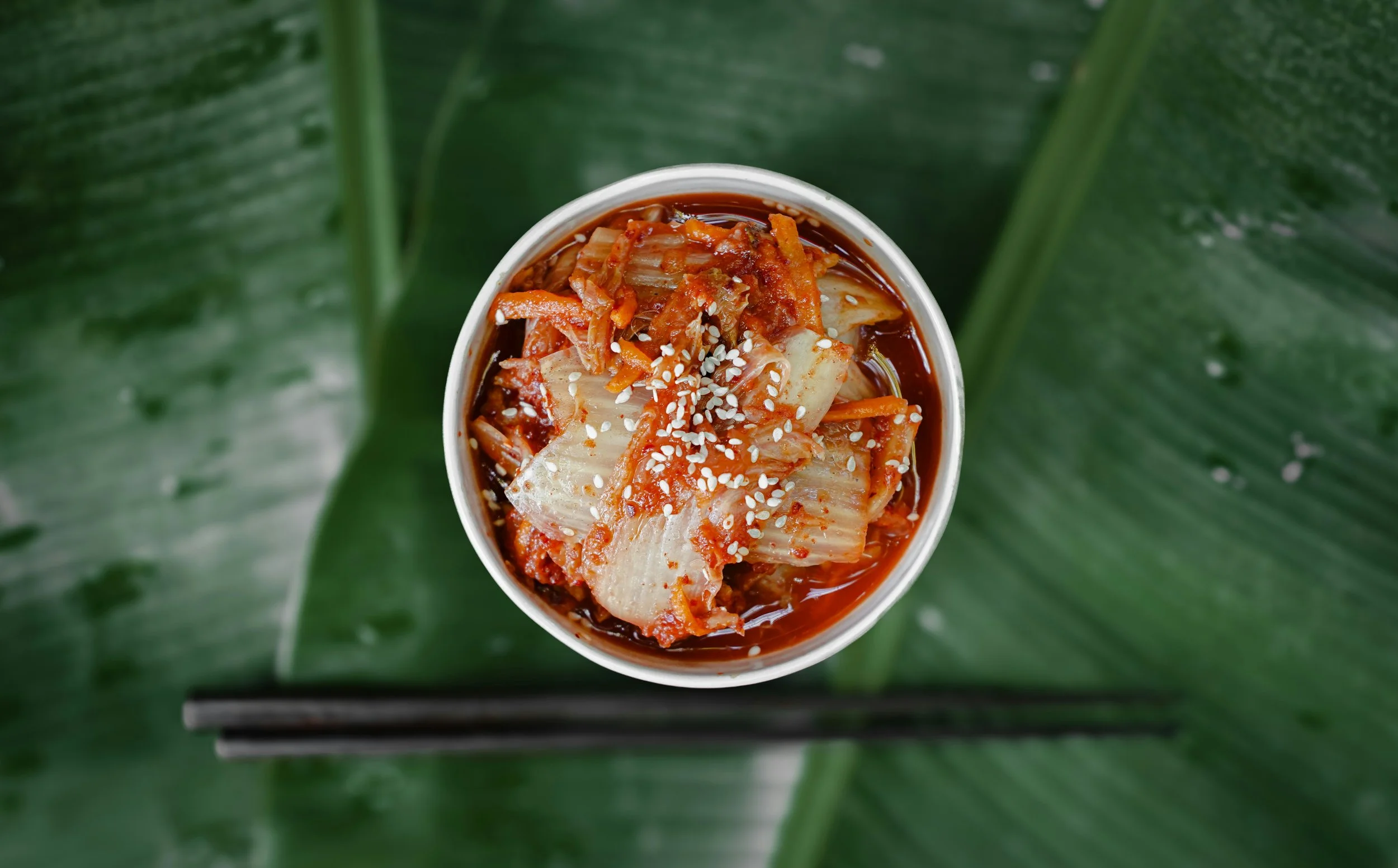
Kimchi is one of the most popular fermented foods. Photo: Frames For Your Heart on Unsplash
What Are Fermented Foods?
Fermented foods are foods that have been transformed through natural fermentation, a process in which microorganisms such as bacteria or yeast break down sugars and starches. This process changes both the texture and nutritional profile of food, often improving digestibility and shelf life.
Fermentation Explained
The fermentation process relies on beneficial microorganisms, most commonly lactic acid bacteria. During lactic acid fermentation, these bacteria convert carbohydrates into lactic acid, creating an acidic environment that helps preserve food and supports microbial stability.
Food fermentation can occur naturally or under controlled conditions. In many cases, fermentation also produces compounds that support digestion and nutrient absorption, which helps explain why fermented foods have been part of traditional diets worldwide.
Fermented vs Pickled Foods
A common source of confusion is the difference between fermented and pickled foods. Naturally fermented foods rely on bacteria to create acidity over time. Pickled foods, on the other hand, are often preserved using vinegar. While both are acidic, only fermented foods typically contain live microorganisms and probiotic fermentation byproducts.
Health Benefits of Fermented Foods
The growing interest in fermented foods is largely driven by their potential health benefits, particularly in relation to gut health and digestion.
-
Fermented foods for gut health are widely discussed because they can influence the gut microbiome, the complex community of microorganisms in the digestive system. Some fermented foods contain live probiotics, which may help support microbial diversity and balance. A healthier gut microbiome is associated with improved digestion and may also influence immune function, metabolism, and overall well-being.
-
Fermented foods and digestion are closely connected. Fermentation partially breaks down food components, which can make nutrients easier to absorb. This is one reason fermented foods may help people who struggle with bloating or digestive discomfort. Fermented foods for bloating are often introduced in small portions to allow the digestive system to adapt gradually.
-
A large portion of the immune system is linked to the gut. By supporting gut health, fermented foods may indirectly support immune function. While fermented foods are not a medical treatment, they are often included in nutrition strategies focused on long-term immune resilience.
-
Some studies suggest that fermented foods may help reduce low-grade inflammation through their impact on the gut microbiome. Fermented foods for inflammation are often discussed in the context of whole-food, anti-inflammatory dietary patterns rather than as standalone solutions.
List of Common Fermented Foods
A wide range of foods fall under the category of fermented foods. Including variety is key, as different foods contribute different nutrients and microorganisms.
-
Fermented vegetables are among the most accessible options.
Common examples include:
Kimchi
Sauerkraut
Naturally fermented pickles
Fermented cabbage and carrots
These foods are often associated with fermented foods gut microbiome support due to their fiber content and fermentation byproducts.
-
Fermented dairy products are widely consumed and well studied.
Examples include:
Yogurt (fermented yogurt with live cultures)
Kefir
Fermented dairy products combine probiotics with protein and minerals, making them a common choice in fermented foods diets.
-
Fermented soy products are staples in many traditional diets.
Examples include:
Miso
Tempeh
Natto
These foods provide plant-based protein alongside fermentation-related nutritional benefits.
-
Fermented drinks have gained popularity in recent years.
Examples include:
Kombucha
Water kefir
Fermented drinks often contain organic acids and small amounts of live cultures, though sugar content varies significantly between products.
Are Fermented Foods Good for Everyone?
While fermented foods are generally considered safe, they are not suitable for everyone in the same way. Some people experience gas or bloating when they increase fermented foods too quickly. This is usually related to changes in gut bacteria rather than an adverse reaction.Individuals with histamine sensitivity may also react to certain fermented foods, as fermentation can increase histamine levels.
Fermented Foods and IBS
Fermented foods for IBS can be beneficial for some people but problematic for others. The response often depends on portion size, food type, and individual tolerance. Introducing fermented foods gradually is usually recommended.
How Often Should You Eat Fermented Foods?
There is no universal guideline for fermented foods daily intake. Many nutrition experts suggest focusing on moderation and variety rather than quantity. Small, regular portions of fermented foods may be easier to tolerate than large servings. Mixing different types of fermented foods can also help reduce digestive discomfort.
Fermented Foods vs Probiotic Supplements
Fermented foods supplements are often compared to real foods. While supplements offer standardized doses, fermented foods provide additional nutrients, fiber, and bioactive compounds. For most people, a food-first approach is considered preferable.
Traditional Fermented Foods and Modern Nutrition
Fermentation is not a new trend. Traditional fermented foods have been part of human diets for thousands of years.
Why Fermentation Was Essential Historically: Before refrigeration, fermentation was a practical way to preserve food. It also helped improve food safety and nutrient availability, making fermented foods essential in many cultures.
Why Fermented Foods Are Trending Again: Modern interest in fermented foods is driven by growing awareness of gut health and longevity. As research highlights the importance of the gut microbiome, fermented foods are increasingly included in modern nutrition strategies.
Can You Make Fermented Foods at Home?
Homemade fermented foods allow for control over ingredients and fermentation time. Simple options like fermented vegetables require minimal equipment but do require attention to hygiene and storage.
Homemade vs Store-Bought Fermented Foods
Store-bought fermented foods vary widely in quality. Some are pasteurized, which removes live cultures. Reading labels helps identify products that still contain active fermentation benefits.
Frequently Asked Questions About Fermented Foods
-
Fermented foods are widely discussed in modern nutrition because of their connection to gut health and digestion. By influencing the gut microbiome, fermented foods may help support digestive balance and nutrient absorption. Many fermented foods probiotics interact with gut bacteria, which can indirectly support the immune system as well. Fermented foods nutrition plays a role here, as the ferment process can make certain nutrients easier to digest. For best results, fermented foods are typically consumed regularly but in moderate amounts.
-
Some fermented foods contain live probiotics, but this depends on how the food is produced and stored. Fermented foods probiotics are most commonly found in unpasteurized products such as yogurt, kefir, and kimchi. However, not every item on a fermented foods list will still contain live cultures by the time it reaches the consumer. Processing methods used in modern nutrition, including heat treatment, can reduce probiotic content. Even without live probiotics, fermented foods still contribute to overall fermented foods nutrition.
-
Fermented foods for bloating may help some people, particularly when digestion is sluggish or unbalanced. The ferment process partially breaks down carbohydrates, which can make foods easier to tolerate. However, fermented foods can also increase bloating if introduced too quickly, especially for sensitive individuals. Starting with small portions from a fermented foods list, such as kimchi or yogurt, is often recommended. This gradual approach aligns with fermented foods trend advice commonly shared in nutrition guidance.
-
For most people, fermented foods are safe to eat daily as part of a balanced diet. In traditional diets associated with fermented foods longevity, small daily portions were common rather than large servings. Fermented foods supplements vs real food comparisons often highlight that real fermented foods provide additional nutrients and enzymes beyond probiotics alone. Including fermented foods recipes in regular meals can help integrate them naturally into everyday eating. As with all foods, individual tolerance and variety matter most.