
Microcurrent Facial Device Guide
A microcurrent facial device is one of the most sought-after home aesthetic devices for skin lifting and toning. Once only available in clinics, a microcurrent face device now allows users to perform a microcurrent facial treatment at home with professional-inspired technology. These devices are often described as a non invasive face lift solution because they target facial muscles without needles, heat, or downtime. When used consistently, a microcurrent face lifting device can visibly improve firmness, contours, and overall skin quality. For many people, it has become a core facial rejuvenation device in their skincare routine.
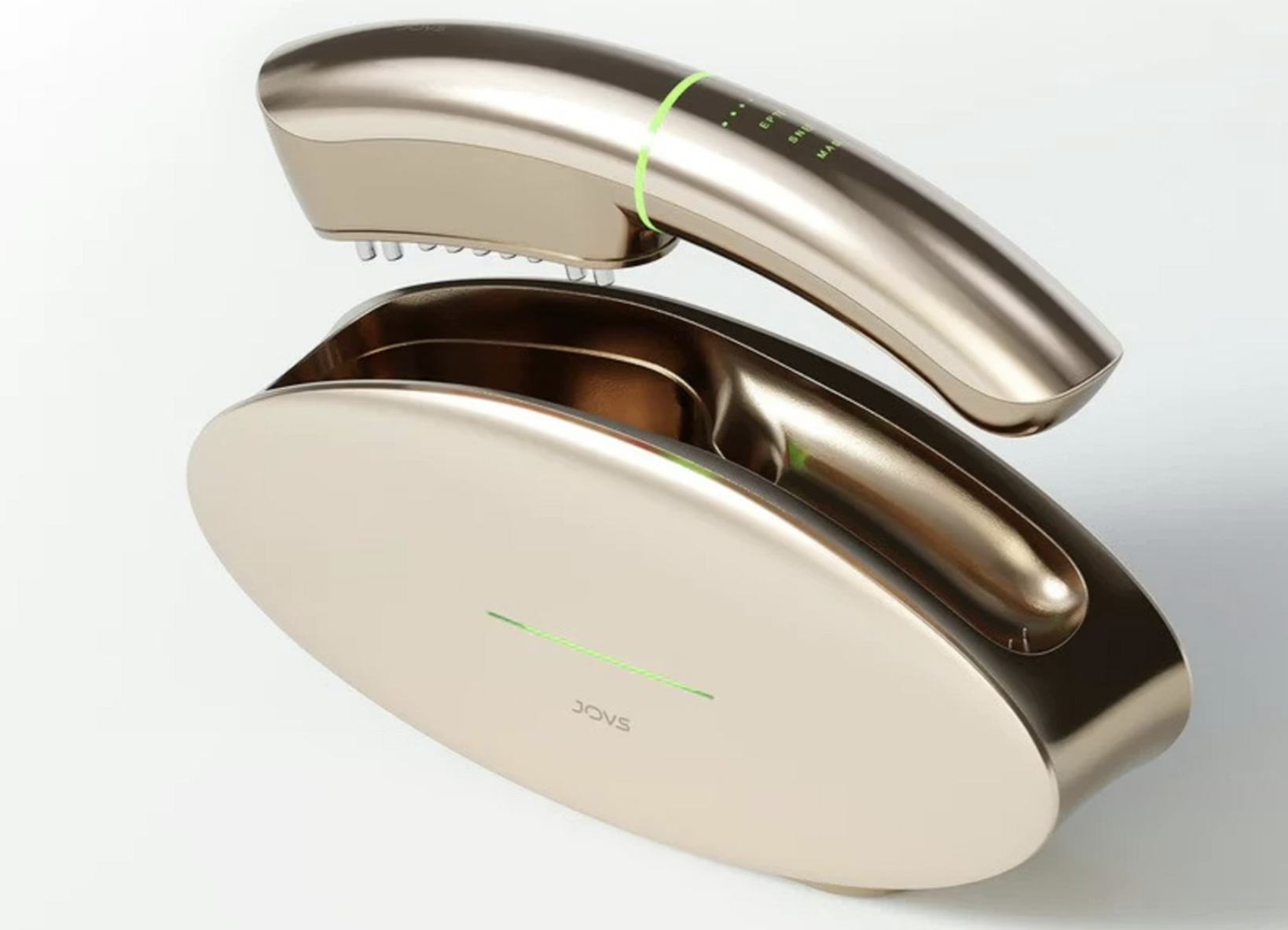
Do you know how to choose the best microcurrent facial device for your needs? (Photo: JOVS Beauty on Unsplash)
What Is a Microcurrent Facial Device and How Does It Work?
A microcurrent facial device is a low level electrical current facial device designed to stimulate facial muscles and improve skin tone. It delivers gentle electrical impulses that mimic the body’s natural bioelectric currents. This technology helps strengthen underlying facial muscles while supporting skin elasticity. Over time, the device contributes to firmer, smoother-looking skin. Many people use a microcurrent beauty device as part of a long-term anti-aging strategy.
Microcurrent technology sends tiny electrical signals into the skin to activate muscles and boost circulation. These signals encourage microcurrent collagen stimulation, which supports skin structure. The treatment also improves oxygen and nutrient delivery to skin cells. As a result, skin appears lifted, toned, and refreshed. Regular use enhances cumulative benefits.
Microcurrent Technology Skincare Explained
In microcurrent technology skincare, a conductive medium allows energy to travel safely through the skin. This makes treatments comfortable and effective. The technology works at a cellular level rather than only on the surface. It supports long-term skin health, not just short-term tightening. That is why microcurrent is considered advanced skin tightening technology.
Low Level Electrical Current Facial Device vs Traditional Facial Tools
Traditional facial tools rely mostly on massage or pressure. A low level electrical current facial device actively stimulates muscles beneath the skin. This deeper stimulation leads to better lifting and toning results. Massage tools can complement microcurrent, but they do not replace its muscle-targeting effects. Microcurrent offers more visible contour changes.
Microcurrent Facial Device Benefits for Skin
The microcurrent facial device benefits extend across multiple skin concerns. These devices help lift, tone, and firm facial muscles. They also improve circulation and skin texture. With consistent use, skin looks healthier and more defined. Many users notice improvements within a few weeks.
-
A microcurrent anti aging device helps soften fine lines by strengthening facial muscles. Firmer muscles create smoother-looking skin. Over time, wrinkles appear less pronounced. This makes microcurrent popular for early aging prevention. It supports a youthful appearance without invasive procedures.
-
A microcurrent skin tightening device improves skin elasticity. It supports tighter-looking cheeks, jawline, and forehead. Many people use microcurrent for microcurrent skin tightening at home instead of clinic treatments. Results improve with consistency. Skin gradually appears firmer and more resilient.
-
Microcurrent strengthens muscles that weaken with age. This makes microcurrent for sagging skin and microcurrent for jowls especially effective. The jawline becomes more defined. Cheeks appear lifted. Facial contours look sharper.
-
A microcurrent face lifting device targets muscles along the jaw and cheekbones. This enhances microcurrent for facial contouring. Regular sessions sculpt the lower face. The profile appears more balanced. Many users see visible lifting.
-
Facial muscle stimulation improves muscle tone and skin support. Microcurrent collagen stimulation helps maintain skin structure. Together, these effects improve firmness. Skin looks plumper and healthier. Aging appears slower.
Are Microcurrent Facial Devices Effective?
Many studies and user experiences confirm that microcurrent facial devices are effective. Results depend on frequency and technique. Improvements build over time. Most people notice lifting within weeks. Long-term use delivers the best outcome.
Microcurrent Facial Device Before and After Results
Microcurrent facial device before and after photos often show lifted brows and cheeks. Jawlines appear sharper. Skin texture looks smoother. Results are subtle but noticeable. Consistency is essential.
How Long Do Microcurrent Facial Results Last?
Results last longer with continued use. Stopping treatments may gradually reverse improvements. Maintenance sessions preserve lifting. Think of microcurrent as fitness for facial muscles. Ongoing care matters.
Professional Microcurrent Facial Device vs At Home Microcurrent Facial Device
A professional microcurrent facial device offers stronger intensity. An at home microcurrent facial device provides convenience and affordability. Home devices are ideal for maintenance. Many people combine both approaches. Each has advantages.
How to Use a Microcurrent Facial Device Correctly
Correct technique ensures the best outcome. Always start with clean skin. Use conductive gel. Follow device instructions carefully. Consistency produces visible results.
Microcurrent Facial Device Step by Step: Cleanse skin thoroughly. Apply conductive gel. Glide device slowly along facial muscles. Finish with skincare products. Repeat regularly.
Microcurrent Device with Conductive Gel vs Microcurrent Device with Serum: A microcurrent device with conductive gel ensures proper current flow. Some allow a microcurrent device with serum, but gel is more reliable. Gel reduces resistance. It improves comfort and effectiveness. Most brands recommend gel.
How Often to Use Microcurrent Facial Device: Most brands suggest three to five sessions per week. Some devices allow microcurrent device daily use. Follow manufacturer guidelines. Overuse is unnecessary. Consistency matters more than intensity.
Microcurrent Facial Routine for Best Results: Use microcurrent before serums and moisturizers. Follow with hydration. Pair with sunscreen during daytime. Maintain a consistent schedule. Results improve over time.
Best Microcurrent Facial Device for At Home Use
Choosing the best microcurrent facial device for at home use depends on a combination of performance, safety, and long-term value. A high-quality at home microcurrent facial device should deliver consistent current, offer multiple intensity levels, and feel comfortable on the skin. Reliable brands typically provide clinical testing, clear instructions, and customer support. It is also important to consider ease of use, maintenance requirements, and warranty coverage. A well-chosen device can deliver professional-inspired results without leaving home.
-
The best at home microcurrent device for lifting and wrinkles is designed to tone facial muscles while supporting skin firmness. It should effectively target common aging concerns such as sagging cheeks, soft jawlines, and fine lines. Multiple intensity settings allow users to customize treatments based on comfort level and experience. An ergonomic shape makes it easier to reach all areas of the face. Over time, consistent use can lead to visible lifting and smoother-looking skin.
-
A handheld microcurrent facial device should be lightweight and comfortable to hold during treatment sessions. Adjustable intensity settings are essential so users can gradually increase strength as their skin adapts. Rechargeable batteries improve convenience and eliminate the need for constant replacements. Simple, intuitive controls make daily use easier. A compact design also makes the device travel-friendly.
-
A rechargeable microcurrent facial device offers greater convenience and long-term cost savings. Adjustable intensity options allow users to tailor treatments to different areas of the face and varying sensitivity levels. Beginners should start with lower settings to allow the skin to adapt comfortably. More experienced users can gradually increase intensity for enhanced toning. This flexibility makes the device suitable for a wide range of users.
-
An FDA cleared microcurrent device has undergone evaluation to meet specific safety and performance standards. Certification provides reassurance that the device delivers electrical current within safe limits. This is especially important for facial treatments, where skin sensitivity varies. Choosing a certified device reduces the risk of irritation or malfunction. For peace of mind, always select an FDA-cleared microcurrent device from a reputable manufacturer.
Microcurrent Facial Device Comparison: What Really Matters
When comparing microcurrent facial devices, performance should come before aesthetics or branding. The intensity range determines how customizable the treatment is for different facial areas and experience levels. Attachments matter because they affect how precisely you can treat zones like the jawline or under-eye area. Ease of use, battery life, and clear instructions also play a big role in long-term consistency. Finally, reliable customer support and warranty coverage often separate high-quality devices from short-lived purchases.
Affordable Microcurrent Facial Device vs Premium Devices
An affordable microcurrent facial device can be a good entry point for beginners who want to try the technology without a large investment. These devices usually focus on basic lifting and toning functions with fewer customization options. Premium devices tend to offer stronger output, better build quality, and more advanced attachments. While higher-priced models often feel more durable, both budget and premium options can be effective with consistent use. The best choice depends on personal goals, skin needs, and how often the device will be used.
Professional vs At Home Microcurrent Device: Which Is Better?
Professional microcurrent devices used in clinics typically deliver stronger currents and more immediate results. At-home microcurrent devices are designed to be safer and more convenient for regular use. Many people choose to combine professional treatments with home maintenance sessions. Each option serves a different purpose, depending on time, budget, and desired intensity. The better choice is usually the one that fits into a sustainable routine.
Microcurrent for Specific Skin Concerns
Microcurrent treatments can be adapted to address different skin concerns by adjusting intensity and technique. Some people focus on lifting and firming, while others target puffiness or muscle relaxation. Consistent use allows the facial muscles to respond gradually over time. Targeted treatments often lead to more noticeable results than treating the entire face the same way. Customization is key for achieving balanced outcomes.
-
Microcurrent can help reduce under-eye bags by improving circulation and encouraging lymphatic drainage. This can make the under-eye area appear smoother and more refreshed over time. Gentle settings are essential because the skin in this area is thinner and more sensitive. Regular treatments may also soften the appearance of fine lines. Slow, controlled movements usually produce the best results.
-
Facial contouring with microcurrent focuses on areas like the cheeks, jawline, and forehead. Using upward strokes helps support lifting effects and muscle engagement. Results typically build gradually rather than appearing overnight. Consistency is more important than intensity when it comes to contouring. With regular use, facial structure can appear more defined and balanced.
-
Most microcurrent devices are designed to be gentle and suitable for sensitive skin. Starting at the lowest intensity allows the skin to adjust gradually. A patch test is recommended before full-face use to check for irritation. If redness or discomfort occurs, treatments should be paused or adjusted. Proper gel use also helps protect the skin barrier.
Microcurrent vs Other Skin Tightening Technologies
Different skin tightening technologies work on different layers of the face. Microcurrent focuses on stimulating facial muscles rather than heating the skin. Other treatments may target collagen or deeper tissue layers. Each approach offers distinct benefits depending on skin concerns and goals. Understanding these differences helps set realistic expectations.
Microcurrent vs Radiofrequency
Microcurrent tones and activates facial muscles, while radiofrequency works by heating tissue to stimulate collagen production. Both methods can improve firmness, but they operate in very different ways. Radiofrequency often targets skin texture and elasticity, while microcurrent emphasizes lift and contour. Some people combine both treatments in a skincare routine. Used together, they can complement each other well.
Microcurrent vs Ultrasound Skin Tightening
Ultrasound skin tightening penetrates deeper layers of the skin and connective tissue. Microcurrent treatments are generally gentler and focus on surface muscle stimulation. Both can contribute to a lifted appearance, but the experience and intensity differ. Ultrasound is usually performed less frequently, while microcurrent works best with regular sessions. The right choice depends on comfort level and desired results.
Microcurrent vs LED Therapy
LED therapy focuses on improving overall skin health, such as redness reduction and collagen support. Microcurrent works primarily on muscle tone and facial structure. Because they target different mechanisms, the two treatments complement each other well. Many skincare routines include both technologies for balanced results. Combining them can enhance both skin quality and facial lift.
Microcurrent vs Facial Massage and Gua Sha
Facial massage and gua sha improve circulation and help release tension in the face. Microcurrent adds electrical stimulation to activate and tone muscles more directly. Both approaches support lymphatic drainage and relaxation. Microcurrent tends to provide stronger lifting effects over time. Many people use massage techniques alongside microcurrent for enhanced benefits.
Safety, Side Effects, and Contraindications
Microcurrent treatments are widely considered safe when used correctly and according to manufacturer guidelines. A microcurrent facial device uses low-level electrical currents designed specifically for cosmetic use. Most users tolerate treatments well and experience minimal discomfort. However, proper technique and moderation are important to prevent irritation. When in doubt, consulting a skincare professional or healthcare provider is recommended.
-
For most people, microcurrent is safe for face treatments. Devices are engineered to deliver gentle electrical impulses that mimic the body’s natural bioelectric signals. When used as directed, microcurrent does not damage the skin barrier. Following instructions and using conductive gel helps ensure safe current flow. Consistent but moderate use produces the best results.
-
Microcurrent facial device side effects are usually mild and temporary. Some users experience slight tingling, warmth, or brief redness during or after treatment. These sensations typically fade within minutes. Serious reactions are rare when the device is used properly. If persistent discomfort occurs, discontinue use and consult a professional.
-
Certain individuals should avoid microcurrent treatments. People with epilepsy, active skin infections, or open wounds should not use a microcurrent device. Those with implanted medical devices should consult a healthcare provider before use. When unsure, professional guidance is recommended. Safety always comes first.
-
Microcurrent treatments are not recommended during pregnancy. Individuals with pacemakers or implanted electrical devices must not use microcurrent facial devices. Electrical currents may interfere with medical equipment. Always disclose medical conditions before beginning treatments. When in doubt, seek medical advice.
-
Each device includes specific microcurrent device contraindications listed by the manufacturer. These guidelines outline who should avoid treatment and under what conditions. Reading and following these instructions is essential. Consulting a professional provides additional reassurance. Prioritizing safety ensures a positive experience.
Buying Guide: How to Choose the Best Microcurrent Facial Device
Choosing the right microcurrent facial device directly affects results and satisfaction. Focus on quality construction, safety certifications, and reputable brands. Avoid unfamiliar manufacturers with limited information. Reading reviews and checking warranties helps prevent disappointment. A thoughtful purchase leads to better long-term outcomes.
-
A quality microcurrent beauty device should offer adjustable intensity levels for customized treatments. A rechargeable battery improves convenience and portability. Clear instructions ensure proper use. Ergonomic design enhances comfort. Warranty coverage protects your investment.
-
A dual probe microcurrent device allows greater control and precision. It is useful for sculpting specific areas such as the jawline and cheekbones. A single probe device is simpler and often more compact. Both options can be effective depending on preference. Choose what fits your routine best.
-
When you buy microcurrent facial device online, verify authenticity through authorized retailers. Read multiple reviews from verified buyers. Check return policies and warranty coverage. Avoid deals that seem too good to be true. These steps reduce the risk of counterfeit products.
-
Purchase from reputable sellers in Canada and USA that provide local warranties and customer support. Authorized retailers ensure product authenticity. Compare pricing across trusted websites. Confirm shipping and return policies. Smart purchasing protects your investment.
Frequently Asked Questions About Microcurrent Facial Devices
-
Many people ask how does a microcurrent facial device work before investing in one. A microcurrent facial device for face uses low-level electrical currents to stimulate facial muscles rather than the skin’s surface. This stimulation helps improve muscle tone, which can make the face appear lifted and firmer over time. Unlike harsher treatments, microcurrent works gradually and requires consistent use. Results tend to build with regular sessions rather than appearing instantly.
-
Understanding how to use microcurrent facial device properly is essential for seeing results. The skin must be clean and prepped with a conductive gel for microcurrent device to allow the current to flow evenly. Most devices are moved slowly along the face using upward motions. An adjustable intensity microcurrent device allows users to start low and increase as tolerance builds. Skipping gel or using the device too quickly can reduce effectiveness.
-
The best microcurrent facial device for lifting is usually one that offers consistent current delivery and multiple intensity levels. Devices designed for facial toning tend to focus on areas like the jawline, cheeks, and forehead. A quality facial toning device microcurrent setup should feel comfortable while still providing noticeable muscle engagement. Lifting results depend on regular use rather than maximum intensity. Devices with clear instructions and good support often perform better long term.
-
When looking for the best microcurrent facial device for wrinkles, muscle stimulation is just one part of the equation. Microcurrent can help soften the appearance of fine lines by improving muscle tone and circulation. This can make wrinkles look less pronounced over time. For best results, microcurrent skin firming is often combined with good skincare and hydration. Wrinkle improvement is usually subtle and gradual rather than dramatic.
-
Microcurrent skin firming works by activating facial muscles that support the skin’s structure. Over time, this stimulation can help the face appear tighter and more defined. Unlike treatments that focus on collagen alone, microcurrent addresses the muscular foundation. This makes it especially popular for facial contouring. Firming results depend heavily on consistency and proper technique.
-
Most microcurrent facial toning devices are designed to be safe for at-home use when used as directed. However, users should always review safety guidelines before starting. A microcurrent pacemaker warning applies to individuals with pacemakers or certain medical implants. These users should avoid microcurrent treatments unless cleared by a medical professional. When in doubt, starting at the lowest intensity is recommended.
-
Microcurrent is generally gentle, which makes it suitable for many people with sensitive skin. Using an adjustable intensity microcurrent device helps prevent irritation. Applying enough conductive gel reduces friction and discomfort. If redness or tingling lasts beyond treatment, usage should be reduced or paused. A patch test is always a good idea.
-
The comparison microcurrent vs gua sha depends on personal goals. Gua sha focuses on manual massage, lymphatic drainage, and relaxation. Microcurrent, on the other hand, actively stimulates facial muscles using electrical currents. Both approaches can support circulation and contouring. Microcurrent often delivers stronger lifting effects, while gua sha feels more calming.
-
A good microcurrent device for face should offer adjustable intensity, clear instructions, and comfortable ergonomics. Attachments can make it easier to treat specific areas like under-eyes or jawline. Battery life and ease of cleaning also matter for long-term use. Many users prefer devices that come with a compatible conductive gel. Reliability is often more important than extra features.
-
Price alone does not determine effectiveness. Affordable devices can deliver good results when used consistently and correctly. Premium devices often offer better durability, design, and support features. Both options can support microcurrent facial toning device routines. The best choice depends on budget, usage frequency, and personal preferences.