
Anti-Inflammatory Foods: The Complete Guide to Foods That Reduce Inflammation Naturally
Anti-inflammatory foods play a central role in supporting long-term health, reducing inflammation, and protecting the body against chronic disease. Chronic inflammation has been linked to conditions such as heart disease, arthritis, autoimmune disorders, digestive issues, and accelerated aging. The good news: everyday food choices can strongly influence inflammation levels.
An anti-inflammatory diet focuses on whole, nutrient-dense foods that help calm the immune system, lower inflammatory markers, and reduce oxidative stress. By prioritizing foods that reduce inflammation and limiting foods that cause inflammation, many people experience improvements in energy, digestion, joint comfort, skin health, and overall well-being. This guide explains what anti-inflammatory foods are, how they work inside the body, and why choosing inflammation reducing foods consistently can make a meaningful difference.
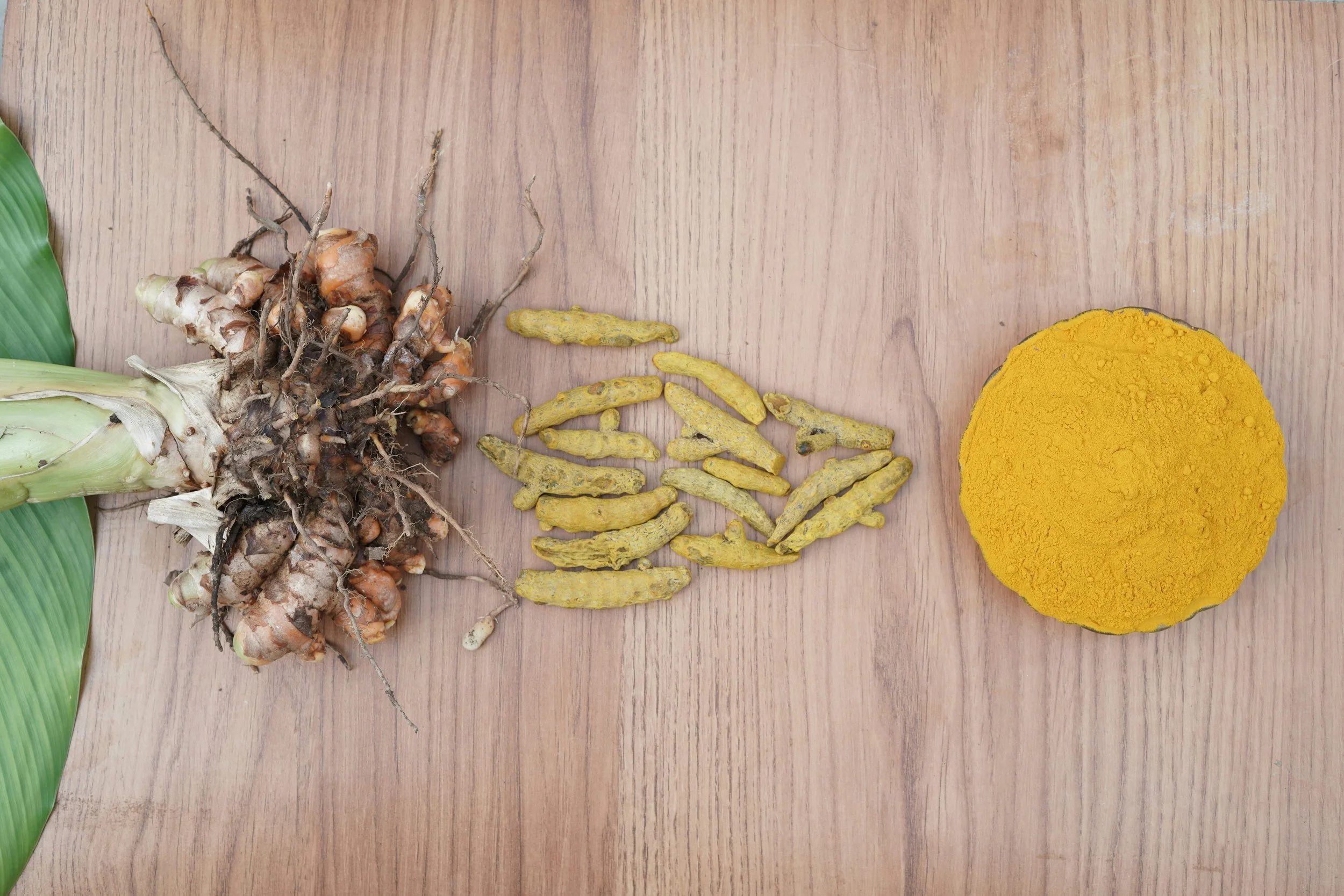
Anti-inflammatory foods like tumeric can help with a large variety of health concerns. (Photo by iKshana Productions on Unsplash)
What Are Anti-Inflammatory Foods and How Do They Work?
Anti-inflammatory foods are foods that naturally help decrease inflammation by supporting immune balance, reducing oxidative damage, and promoting a healthy gut microbiome. These foods contain compounds such as antioxidants, polyphenols, omega 3 fatty acids, fiber, and phytonutrients that counteract inflammatory processes.
When eaten regularly, anti-inflammatory foods help shift the body away from a pro-inflammatory state and toward a more balanced, resilient state. This is why anti-inflammatory eating is often recommended as a foundation for managing chronic inflammation and preventing inflammation-related disease. Rather than acting as a quick fix, anti-inflammatory nutrition works gradually. Consistency matters more than perfection. Over time, an anti-inflammatory diet helps create internal conditions that support healing and long-term health.
How Anti-Inflammatory Foods Fight Chronic Inflammation
Chronic inflammation occurs when the immune system remains activated for long periods, even without a real threat. This persistent immune response can damage tissues and contribute to pain, stiffness, fatigue, and disease.
Anti-inflammatory foods fight chronic inflammation in several key ways:
They neutralize free radicals that drive oxidative stress
They reduce the production of pro-inflammatory cytokines
They support healthy gut bacteria, which influence immune signaling
They provide essential nutrients that help regulate inflammatory pathways
Foods such as fatty fish, berries, leafy greens, olive oil, nuts and seeds, turmeric, ginger, and green tea are widely recognized as inflammation fighting foods. These natural anti-inflammatory foods contain bioactive compounds that directly lower inflammatory activity.
For example, omega 3 anti-inflammatory foods help reduce inflammatory signaling molecules, while plant-based anti-inflammatory foods supply antioxidants that protect cells from damage. Together, these actions help explain why people following an anti-inflammatory diet often report fewer aches, improved digestion, and better overall health.
Anti-Inflammatory Foods vs Inflammatory Foods: What’s the Difference?
Not all foods affect the body in the same way. Some foods actively reduce inflammation, while others promote it. An anti-inflammatory diet does not require eliminating all indulgent foods forever. However, the foundation should be built around inflammation reducing foods, with inflammatory foods kept to a minimum.
-
Anti-inflammatory foods typically include:
Whole fruits and vegetables
Fatty fish and other omega 3 anti-inflammatory foods
Extra virgin olive oil
Nuts, seeds, and legumes
Herbs and spices with anti-inflammatory properties
These foods support stable blood sugar, healthy gut function, and balanced immune activity.
-
Inflammatory foods, on the other hand, often include:
Highly processed foods
Refined carbohydrates
Added sugars
Trans fats and excessive saturated fats
Ultra-processed snack foods and fast food
Regularly consuming foods that cause inflammation can increase inflammatory markers and worsen chronic inflammation over time.
Inflammatory Markers, Oxidative Stress, and the Immune Response Explained
Inflammatory markers are substances in the blood that indicate the presence of inflammation in the body. When these markers remain elevated, they suggest ongoing immune activation and tissue stress. Oxidative stress occurs when there is an imbalance between free radicals and antioxidants. Excess free radicals damage cells and trigger inflammatory responses. Anti-inflammatory foods rich in antioxidants help neutralize these free radicals, reducing oxidative stress and calming inflammation.
The immune response is closely tied to both inflammation and the gut microbiome. A healthy gut supports proper immune signalling, while an imbalanced gut can increase inflammatory activity. This is one reason why anti-inflammatory foods for gut health, such as fiber-rich vegetables, fruits, and fermented foods, are considered essential components of an anti-inflammatory eating pattern. By lowering oxidative stress, supporting the gut microbiome, and regulating immune activity, anti-inflammatory foods create an internal environment that favors healing rather than chronic inflammation.
Best Anti-Inflammatory Foods List: What to Eat on an Anti-Inflammatory Diet
A well-balanced anti-inflammatory foods list centers on whole, minimally processed foods that naturally reduce inflammation and support immune balance. These anti-inflammatory diet foods supply antioxidants, fiber, healthy fats, and phytonutrients that work together to calm inflammatory pathways. Fatty fish such as salmon, sardines, and mackerel are among the most widely recommended anti-inflammatory diet foods because they provide omega-3 fatty acids, which help lower inflammatory markers. Extra virgin olive oil is another cornerstone of an anti-inflammatory diet plan, offering powerful polyphenols that protect cells from oxidative stress.
Plant-based anti-inflammatory foods play an equally important role. Leafy greens, berries, cruciferous vegetables, tomatoes, and colorful fruits and vegetables deliver a broad spectrum of antioxidants that fight inflammation at the cellular level. Nuts and seeds contribute healthy fats and minerals, while legumes and whole grains add fiber that supports gut health. Using an anti-inflammatory foods list as a reference makes it easier to build meals that consistently include inflammation reducing foods and limit foods that cause inflammation.
Anti-Inflammatory Diet Plan: How to Build Your Meals
An effective anti-inflammatory diet plan focuses on consistency rather than strict rules. Each meal should include a combination of anti-inflammatory diet foods such as vegetables, quality protein, healthy fats, and fiber-rich carbohydrates.
Breakfast might include berries, oats, nuts, and seeds, while lunch and dinner can center on vegetables, fatty fish or legumes, olive oil, and whole grains. Herbs and spices like turmeric and ginger add both flavor and anti-inflammatory ingredients to everyday cooking.
Snacks also matter. Choosing fruit, yogurt, nuts, or hummus instead of highly processed foods helps maintain steady blood sugar and reduces inflammatory spikes. Over time, following an anti-inflammatory meal plan built around whole foods naturally crowds out foods that cause inflammation.
-
Chronic joint discomfort and stiffness are often linked to ongoing inflammation. Anti-inflammatory foods for arthritis and anti-inflammatory foods for inflammation pain work by reducing the production of inflammatory compounds that contribute to swelling and discomfort.
Omega-3-rich foods, olive oil, berries, leafy greens, and spices such as turmeric and ginger are commonly recommended anti-inflammatory diet foods for joint support. When these foods are eaten consistently, many people experience gradual improvements in mobility and pain levels. Although diet alone cannot replace medical treatment, an anti-inflammatory diet plan can significantly complement other therapies and support long-term joint health.
-
Autoimmune conditions involve chronic immune activation and inflammation. Anti-inflammatory foods for autoimmune disease aim to calm immune overactivity while supporting gut integrity and nutrient status.
Whole, unprocessed anti-inflammatory diet foods form the foundation of this approach. Many people benefit from emphasizing plant-based anti-inflammatory foods, healthy fats, and anti-inflammatory gluten free foods if gluten sensitivity is present.
Because individual responses vary, an anti-inflammatory diet plan for autoimmune disease often works best when personalized, but the overall goal remains the same: reduce inflammatory burden and support immune balance through food.
-
Inflammation contributes to plaque formation, arterial damage, and cardiovascular risk. Anti-inflammatory foods for heart health help protect blood vessels and improve lipid profiles.
Fatty fish, olive oil, nuts, seeds, legumes, fruits, and vegetables are core anti-inflammatory diet foods that support cardiovascular function. These foods also align closely with Mediterranean-style eating patterns, which are widely recognized as an effective anti-inflammatory diet.
Regular intake of these anti-inflammatory foods benefits heart health while also supporting overall metabolic wellness.
-
Hormone production and regulation are closely connected to inflammation, gut health, and blood sugar balance. Anti-inflammatory foods for hormones help stabilize these systems and support endocrine function.
Healthy fats from olive oil, avocados, nuts, seeds, and fatty fish provide building blocks for hormone synthesis. Fiber-rich vegetables and whole grains help regulate estrogen metabolism and insulin sensitivity. Together, these anti-inflammatory diet foods promote more balanced energy, mood, and metabolic health.
-
Skin reflects internal inflammation levels. Anti-inflammatory foods for skin health reduce oxidative stress and provide nutrients necessary for repair and collagen production.
Berries, leafy greens, green tea, fatty fish, and nuts are powerful anti-inflammatory diet foods that support clear, resilient skin. Many people notice fewer breakouts, less redness, and improved skin tone after adopting an anti-inflammatory meal plan.
-
Chronic inflammation can interfere with appetite regulation and fat metabolism. Anti-inflammatory foods for weight loss support stable blood sugar, improved insulin sensitivity, and better gut health.
An anti-inflammatory diet plan for weight loss focuses on vegetables, lean protein, healthy fats, and whole carbohydrates while minimizing ultra-processed foods. This approach encourages gradual, sustainable weight loss without extreme restriction.
Foods That Cause Inflammation (What to Limit or Avoid)
An effective anti-inflammatory diet is not only about increasing anti-inflammatory diet foods, but also about reducing foods that cause inflammation. Certain dietary patterns are strongly associated with higher inflammatory markers, increased oxidative stress, and greater risk of chronic disease. Limiting these foods helps create an internal environment where anti-inflammatory foods can do their work more effectively.
Highly processed products, excess added sugars, refined carbohydrates, and unhealthy fats are among the biggest contributors to diet-driven inflammation. Reducing their intake is a key step in any anti-inflammatory diet plan.
Processed Foods and Inflammation
The connection between processed foods and inflammation is well documented. Many processed foods contain refined ingredients, artificial additives, preservatives, and industrial seed oils that promote inflammatory responses in the body. This is why the keyword processed foods inflammation appears so frequently in nutrition research and anti-inflammatory diet discussions.
Ultra-processed foods such as packaged snacks, fast food, frozen convenience meals, sugary cereals, and processed meats are typically low in fiber and antioxidants while being high in sodium, unhealthy fats, and refined carbohydrates. This combination disrupts blood sugar balance, harms gut health, and increases inflammatory markers.
Frequent consumption of processed foods also alters the gut microbiome, reducing beneficial bacteria and encouraging the growth of microbes associated with inflammation. Over time, this imbalance can contribute to bloating, digestive discomfort, insulin resistance, and chronic low-grade inflammation. Replacing processed foods with whole, minimally processed anti-inflammatory diet foods, such as vegetables, fruits, legumes, whole grains, nuts, seeds, and healthy fats, supports a healthier gut environment and lower inflammation levels.
Added Sugar, Refined Carbs, and Unhealthy Fats
Added sugar is one of the strongest dietary drivers of inflammation. Diets high in sugary beverages, desserts, candy, and sweetened processed foods increase blood sugar spikes and promote the release of pro-inflammatory cytokines. Excess sugar intake is closely linked to insulin resistance, weight gain, and increased inflammatory burden.
Refined carbohydrates, including white bread, pastries, and many packaged snack foods, behave similarly. They digest quickly, raise blood sugar rapidly, and lack the fiber needed to slow absorption. Regularly consuming refined carbs contributes to metabolic stress and chronic inflammation. Unhealthy fats also play a role. Trans fats and excessive amounts of certain omega-6-rich industrial oils can promote inflammatory pathways when consumed in large quantities. These fats are commonly found in fried foods, baked goods, margarine, and many ultra-processed products.
An anti-inflammatory diet plan emphasizes replacing these foods with anti-inflammatory diet foods such as whole grains, fruits, vegetables, healthy fats from olive oil and nuts, and omega-3-rich foods. This shift helps stabilize blood sugar, support hormone balance, improve gut health, and reduce inflammation over time.
How Long Does an Anti-Inflammatory Diet Take to Work?
One of the most common questions people ask when starting an anti-inflammatory diet plan is: how long does anti-inflammatory diet take to work? The answer depends on several factors, including current inflammation levels, overall diet quality, lifestyle habits, stress, sleep, and underlying health conditions.
Anti-inflammatory foods begin influencing the body almost immediately after consumption, but noticeable symptom changes usually occur gradually. Because chronic inflammation develops over time, reversing it also takes time. Consistently choosing anti-inflammatory foods and limiting foods that cause inflammation allows the body to slowly shift toward a lower-inflammatory state.
Understanding how anti-inflammatory foods work helps set realistic expectations. These foods supply antioxidants, fiber, healthy fats, and bioactive compounds that reduce oxidative stress, support the gut microbiome, and regulate immune signaling. Together, these processes help lower inflammatory markers and create conditions that support healing.
-
In the short term, some people notice subtle improvements within the first one to two weeks of following an anti-inflammatory eating pattern. These early changes may include less bloating, improved digestion, more stable energy levels, and fewer blood sugar crashes. This happens as anti-inflammatory foods begin supporting gut health and reducing spikes in inflammation after meals.
More significant changes in chronic inflammation typically take several weeks to a few months. Foods that reduce chronic inflammation, such as fatty fish, olive oil, leafy greens, berries, nuts, seeds, and fermented foods, work cumulatively. The longer these foods are consumed consistently, the greater their impact on lowering inflammatory markers.
Long-term adherence to an anti-inflammatory diet plan produces the most meaningful benefits. Over months, many people experience reduced joint stiffness, less inflammation pain, improved skin health, better hormone balance, and enhanced cardiovascular markers. This timeline reflects the gradual nature of repairing tissues and rebalancing immune function.
-
Because inflammation affects many systems in the body, improvements can appear in different ways. One of the earliest signs that anti-inflammatory foods are working is better digestion. Reduced bloating, more regular bowel movements, and less abdominal discomfort suggest improved gut health.
Another common sign is decreased inflammation pain. People following an anti-inflammatory diet plan often report fewer aches, less joint stiffness, and improved mobility. This reflects the impact of foods to fight inflammation on inflammatory pathways.
Improved energy levels and fewer afternoon crashes are also positive indicators. Anti-inflammatory foods help stabilize blood sugar and support mitochondrial function, which contributes to steadier energy throughout the day.
Skin changes can provide visible feedback as well. Clearer complexion, reduced redness, and improved skin tone often accompany lower systemic inflammation.
Perhaps most importantly, many people notice a general sense of improved well-being. Better sleep quality, improved mood, and greater resilience to stress are additional signs that an anti-inflammatory eating pattern is supporting whole-body balance.
By consistently choosing anti-inflammatory foods and limiting inflammatory triggers, the body gains the tools it needs to move away from chronic inflammation and toward long-term health.
Anti-Inflammatory Foods for Specific Conditions
While an anti-inflammatory diet plan supports whole-body health, certain anti-inflammatory foods may be especially helpful for specific symptoms or conditions. Targeting inflammation through food choices can complement medical care and support the body’s natural healing processes. By consistently choosing foods to fight inflammation, many people experience meaningful improvements in comfort, digestion, and overall quality of life.
-
Autoimmune conditions involve an overactive immune response that leads to ongoing inflammation and tissue damage. Anti-inflammatory foods for autoimmune disease focus on calming immune signaling, reducing oxidative stress, and supporting gut health, which plays a central role in immune regulation.
A Mediterranean anti-inflammatory diet is often recommended because it emphasizes whole, minimally processed foods rich in antioxidants and healthy fats. This eating pattern naturally includes many foods that reduce chronic inflammation, such as fatty fish, olive oil, vegetables, fruits, nuts, seeds, and herbs.
Berries anti-inflammatory compounds help neutralize free radicals and protect cells from oxidative damage. Fatty fish anti-inflammatory omega-3 fatty acids support immune balance and may reduce the production of inflammatory cytokines. Leafy greens anti-inflammatory nutrients such as vitamin C, carotenoids, and polyphenols further contribute to lowering inflammatory burden.
Ginger anti-inflammatory benefits include reduced inflammatory enzyme activity and improved digestive comfort, which can be especially helpful for individuals with autoimmune-related gut symptoms. Green tea anti-inflammatory polyphenols, particularly EGCG, have been studied for their immune-modulating effects.
Although diet alone does not cure autoimmune disease, following an anti-inflammatory eating pattern consistently may help reduce flare frequency, support energy levels, and improve overall resilience.
-
Joint pain and inflammation pain are commonly driven by chronic low-grade inflammation. Anti-inflammatory foods that target inflammatory pathways can help reduce stiffness, swelling, and discomfort over time.
Fatty fish anti-inflammatory omega-3 fats are among the most researched nutrients for joint health. They help lower inflammatory markers and may reduce morning stiffness and joint tenderness. Leafy greens anti-inflammatory vegetables such as spinach, kale, and Swiss chard supply antioxidants that protect joint tissues from oxidative stress.
Berries anti-inflammatory compounds support cartilage health and may slow inflammation-related joint degeneration. Nuts and seeds anti-inflammatory fats, including almonds, walnuts, flaxseeds, and chia seeds, provide both omega-3s and minerals that support connective tissue function.
Ginger anti-inflammatory benefits and turmeric’s curcumin content are widely used for natural pain support. Green tea anti-inflammatory polyphenols also contribute to reduced joint inflammation when consumed regularly. When these anti-inflammatory foods are included daily as part of an anti-inflammatory diet plan, many people notice gradual improvements in mobility, flexibility, and overall comfort.
-
Digestive discomfort and bloating are often signs of gut inflammation or microbiome imbalance. Anti-inflammatory foods for bloating and digestive health focus on soothing the gut lining, supporting beneficial bacteria, and reducing irritation.
Key anti-inflammatory foods that support digestion include:
Leafy greens anti-inflammatory vegetables such as spinach, arugula, and romaine, which provide fiber and magnesium that promote regular digestion.
Berries anti-inflammatory fruits that supply polyphenols and fiber to nourish beneficial gut bacteria.
Fatty fish anti-inflammatory options that help reduce gut inflammation and support intestinal barrier integrity.
Nuts and seeds anti-inflammatory varieties like chia seeds, flaxseeds, and almonds, which offer fiber and healthy fats that aid stool consistency.
Ginger anti-inflammatory benefits, including reduced gas, nausea, and intestinal cramping.
Green tea anti-inflammatory compounds that support microbial balance and reduce oxidative stress in the digestive tract.
In addition to specific foods, overall dietary pattern matters. A Mediterranean anti-inflammatory diet rich in vegetables, fruits, whole grains, legumes, healthy fats, and lean proteins naturally supports digestive health and lowers inflammation.
When anti-inflammatory foods are eaten consistently and processed foods are minimized, many people experience less bloating, improved regularity, and better nutrient absorption. These changes often signal that gut inflammation is decreasing and the digestive system is becoming more resilient.
Frequently Asked Questions About Anti-Inflammatory Foods
-
Yes, anti-inflammatory foods can really help when they are eaten consistently as part of an overall anti-inflammatory diet. Research shows that certain dietary patterns lower inflammatory markers and reduce the risk of inflammation-related conditions. This is especially true when people move away from ultra-processed foods and toward whole, nutrient-dense options.
Anti-inflammatory foods work by reducing oxidative stress, supporting the gut microbiome, and calming immune signaling. Foods such as leafy greens, berries, nuts and seeds, fatty fish, olive oil, and spices like turmeric contain bioactive compounds that help fight chronic inflammation at the cellular level.
A well-structured anti-inflammatory diet foods list makes this approach easier to follow. Instead of focusing on restriction, the emphasis is on adding foods that actively support the body. Over time, many people notice improvements in digestion, joint comfort, energy levels, skin health, and overall well-being.
-
Anti-inflammatory foods should not be viewed as a direct replacement for medication, especially in the context of chronic illness, autoimmune disease, or severe inflammation. However, they can play a powerful supportive role alongside medical treatment.
An anti-inflammatory diet can help lower baseline inflammation, which may reduce symptom severity and improve quality of life. In some cases, people find that better nutrition supports more stable conditions under medical supervision, but medication decisions should always be made with a healthcare professional.
That said, dietary patterns such as a Mediterranean anti-inflammatory diet or a plant based anti-inflammatory foods approach are often recommended by healthcare providers as part of a comprehensive treatment strategy. These patterns emphasize whole foods, healthy fats, and anti-inflammatory ingredients like olive oil anti-inflammatory compounds and turmeric anti-inflammatory properties.
-
The best anti-inflammatory foods to eat daily are those that are easy to include consistently and provide a broad range of nutrients. A strong foundation starts with vegetables, especially leafy greens, which are rich in antioxidants and fiber. Berries are another daily staple, offering powerful anti-inflammatory compounds that help protect cells from oxidative damage.
Healthy fats are equally important. Olive oil anti-inflammatory polyphenols make extra virgin olive oil a cornerstone of many anti-inflammatory diet plans. Nuts and seeds provide additional healthy fats, minerals, and plant protein that support inflammation control.
For those who eat animal products, fatty fish anti-inflammatory omega-3 fats are among the most effective nutrients for reducing inflammation. For plant-focused eaters, plant based anti-inflammatory foods such as legumes, whole grains, vegetables, fruits, nuts, and seeds form a solid base. Anti-inflammatory vegan foods can be just as effective when they include a wide variety of whole plant foods and healthy fats.
Spices and beverages also matter. Turmeric anti-inflammatory compounds and ginger anti-inflammatory benefits support inflammation control, while green tea anti-inflammatory polyphenols contribute additional antioxidant protection.
Using an anti-inflammatory diet foods list as a daily guide helps ensure variety and consistency. Over time, these choices work together to reduce inflammation and support long-term health without relying on extreme rules or restrictive eating.